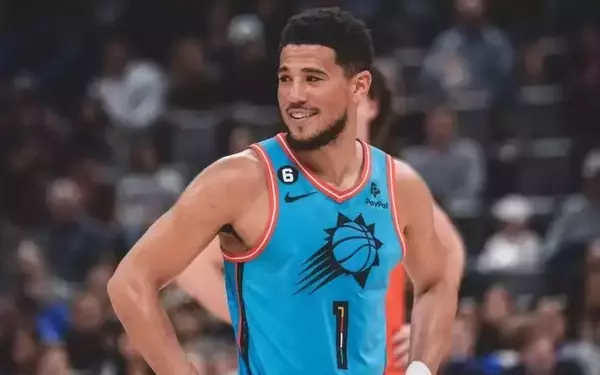
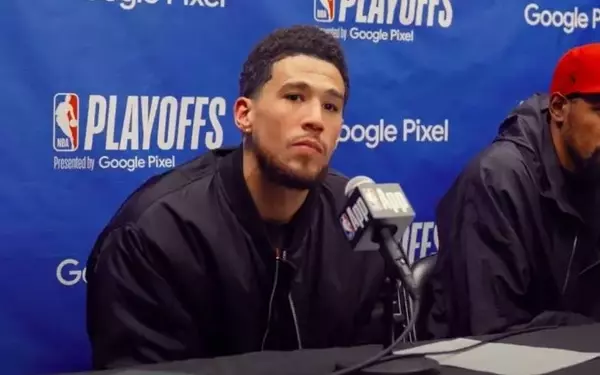
The Philadelphia 76ers are actively working to finalize a new contract with rising star Quentin Grimes. Despite the current slow pace of the restricted free agency market, the team maintains a high degree of confidence in retaining the talented guard. This strategic move is seen as the final crucial step in their offseason preparations, as they navigate the complexities of luxury tax regulations while building a championship-caliber roster.
76ers Pursue Grimes as Key Offseason Priority
In a significant development for the Philadelphia 76ers, a prominent executive within the organization recently affirmed their strong intent to re-sign Quentin Grimes, stating, “We want Quentin back. We believe he wants to be back. We all saw how great he was after he got to us last year. Hopefully we can get something done.” This statement, as reported by Keith Smith of Spotrac, underscores the team's commitment to the 25-year-old guard, who made a remarkable impact in his partial season with the Sixers after joining from the Dallas Mavericks.
During his 28 appearances with the Philadelphia squad, the dynamic 6-foot-5 guard demonstrated his versatility and scoring prowess, averaging an impressive 21.9 points, alongside 5.2 rebounds and 4.5 assists. His efficiency from beyond the arc, shooting 37%, further solidified his role as a vital offensive and defensive asset. President Daryl Morey, while remaining tight-lipped on specific contract details, emphasized that securing Grimes' future is “the last piece of business” for the current offseason, adding, “We hope to work things out. I don’t have more detail.” This ongoing negotiation reflects the broader trend of a remarkably stagnant restricted free agent market this summer, a phenomenon that has also affected other promising young talents such as Jonathan Kuminga and Josh Giddey.
The Sixers' approach to this offseason has been meticulously planned, particularly given the financial constraints imposed by luxury tax aprons. A coach from the 76ers organization revealed, “Because of our position with the aprons and Quentin as a free agent, we had to work around the edges. We feel like we got great value in the draft and free agency.” This strategic philosophy has led to shrewd acquisitions like V.J. Edgecombe and Johni Broome in the draft, complemented by the free agent signings of Trendon Watford, Jabari Walker, Dominick Barlow, and Hunter Sallis. These additions, despite the limited spending power, are viewed by the coaching staff as instrumental in building “championship-level depth.” The slow movement in the restricted free agency landscape has, paradoxically, benefited Philadelphia, allowing them to negotiate patiently without facing intense competitive bidding pressure for Grimes.
As discussions continue, several potential outcomes loom. The most straightforward path involves Grimes and the Sixers agreeing upon a comprehensive multi-year contract. Alternatively, Grimes could opt to accept the $8.7 million qualifying offer, which would position him for unrestricted free agency in 2026. Regardless of the immediate resolution, the ongoing dialogue signifies a mutual interest in a long-term partnership, with both sides keen on finding a beneficial agreement that aligns with the team’s competitive aspirations and Grimes’ burgeoning career.
From a journalist's perspective, the ongoing negotiations between the Philadelphia 76ers and Quentin Grimes offer a fascinating glimpse into the intricate dynamics of NBA team building under salary cap restrictions. It highlights how strategic foresight in drafting and opportunistic free agency signings can compensate for limited financial flexibility. The team's vocal confidence in retaining Grimes, despite the protracted process, speaks volumes about his perceived value and fit within their future plans. This situation also underscores a broader trend in the league where patience and calculated risk-taking can be more advantageous than aggressive spending, especially in a quiet market. For fans, it's a testament to the fact that even with financial limitations, a well-managed front office can still aim for championship contention by valuing and developing key talent.