Amazon's decision to discontinue the use of non-disclosure agreements (NDAs) in discussions regarding data center agreements with local authorities marks a significant shift, following a similar initiative by Microsoft. This move is a direct response to increasing community dissent against AI infrastructure, where secrecy has often exacerbated public mistrust, leading to numerous proposed and implemented moratoriums on such developments across various regions. Simultaneously, a burgeoning sector of startups is emerging, focused on creating AI agents designed to seamlessly integrate with and manage users' digital lives, including access to their emails, personal files, and even financial details. This dual narrative highlights a critical juncture in technology's evolution: the push for greater transparency and community involvement in large-scale infrastructure projects, and the evolving dynamics of trust and privacy as artificial intelligence becomes more integrated into personal computing.
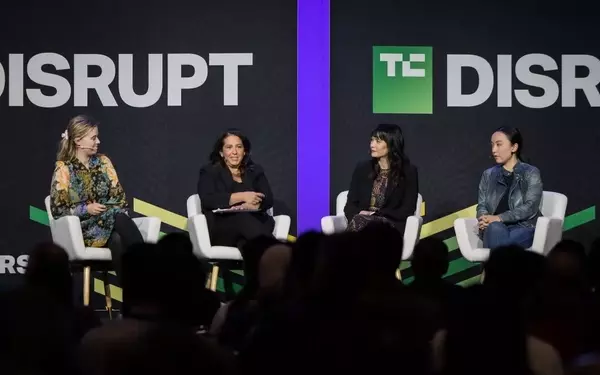
This week's TechCrunch Equity podcast extensively delved into these intertwined developments. Experts on the show discussed the potential ramifications of Amazon's policy change on future data center negotiations, particularly how it might foster more open dialogue and mitigate community backlash. A key theme explored was the profound importance of trust in the burgeoning personal AI sector. As these AI agents become more sophisticated and seek deeper access to sensitive personal information, the foundational product these startups are truly offering is not just convenience or efficiency, but an assurance of privacy and data security. The discussions also covered notable deals and emerging trends within the AI landscape, painting a comprehensive picture of the industry's current trajectory and future challenges.
Transparency in Tech Infrastructure: The End of Data Center NDAs
Amazon's recent announcement to forgo non-disclosure agreements when engaging with local governments for data center projects signals a notable shift towards increased transparency in the technology sector. This strategic move aligns with a similar stance taken by Microsoft earlier this year, reflecting a growing industry awareness of public sentiment. The previous reliance on NDAs created a veil of secrecy around data center constructions, often leading to community resistance and moratoriums from New York to San Francisco, as citizens felt excluded from decisions impacting their locales. By eliminating these confidentiality clauses, tech giants aim to foster better community relations and greater public understanding of these essential AI infrastructure projects, acknowledging the need for more open dialogue and collaborative planning.
The move to abandon NDAs in data center dealings is poised to reshape how these significant infrastructure projects are negotiated and executed. The Equity podcast panel examined whether this increased transparency will genuinely alter the landscape of data center development, paving the way for more community-friendly approaches and reducing friction. The discussion also highlighted how this change reflects a broader industry trend towards greater accountability, particularly as the environmental and social impacts of massive data centers come under closer scrutiny. By opening up the negotiation process, Amazon and Microsoft are not only addressing immediate public concerns but also setting a precedent for future engagements between tech companies and local communities, aiming to build trust through openness rather than relying on confidentiality.
The Future of Personal AI: Trust, Access, and Innovation
The burgeoning field of personal AI agents is rapidly advancing, with numerous startups developing sophisticated solutions that aim to integrate deeply into users' digital lives. These AI agents are designed to access a wide array of personal data, including email inboxes, stored files, and even financial instruments like credit cards, to provide highly personalized and efficient services. However, this profound level of access necessitates an equally profound level of trust from consumers. As these technologies become more prevalent, the core challenge for these innovators lies not just in their technical capabilities, but in convincing users that their privacy and security are paramount, making trust the ultimate product in this new era of personal AI.
The discussion on the Equity podcast underscored the critical role of trust as AI agents seek deeper integration into personal data ecosystems. Startups like Tab, Underdog, and Hark are actively positioning privacy as a key differentiator, recognizing that consumer confidence is essential for widespread adoption. They are not merely selling functionality but are implicitly offering a promise of secure and ethical handling of sensitive information. The panel also explored the potential for AI agents to evolve into sales tools, where their deep understanding of user preferences could facilitate personalized purchasing recommendations, potentially transforming how consumers interact with products and services. Furthermore, the episode touched upon the defensive measures being implemented by major platforms such as United, Apple, and Amazon, which are erecting barriers against unauthorized external AI agents to protect their ecosystems and user data, highlighting the ongoing tension between innovation and security in the rapidly evolving AI landscape.