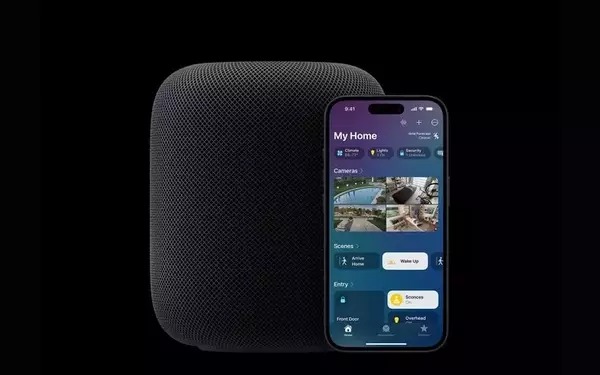
Apple has recently expanded its smart home ecosystem, introducing new contenders in the smart speaker and display arena. This analysis delves into a comprehensive comparison of Apple's latest offerings: the innovative HomeView, the updated HomePod Mini 2, and the well-established HomePod. Understanding the nuances between these devices is crucial for consumers navigating the expanding landscape of smart home technology.
Detailed Comparison: Apple HomeView, HomePod Mini 2, and HomePod
On October 15, 2026, Apple enthusiasts were presented with a compelling choice as the tech giant unveiled its latest smart home devices. The highly anticipated Apple HomeView, available for pre-order across multiple regions including Australia, Canada, India, New Zealand, the UK, and the US, is set to launch globally on November 13. Priced at £299/$299, it offers both wall-mounted and countertop configurations, catering to diverse aesthetic preferences. The HomePod Mini 2, also available for pre-order and launching earlier on October 30, comes in vibrant colors such as pink, green, blue, white, and midnight, with a more accessible price point of £149/$149. Meanwhile, the 2023 HomePod, already on the market, stands at £349/$349, positioning itself as the premium audio-focused option.
A significant distinguishing factor lies in the design and display. The HomeView stands out with its 7-inch Liquid Retina touchscreen, boasting advanced screen technologies like True Tone for adaptive lighting and automatic brightness adjustment, ranging from a subtle 0.3 nits to a bright 500 nits. Its tabletop variant, connecting the display to a domed speaker base via an elegant stainless steel hinge, also introduces exclusive starlight and rose pink color options in addition to silver and space grey. In contrast, both the HomePod and HomePod Mini 2 are screen-less smart speakers, relying solely on Siri voice commands and integrated touch controls for operation. The HomePod Mini 2 is notably more compact, measuring 3.3 inches tall and 3.9 inches wide, while the HomePod is twice its height at 6.6 inches and 5.6 inches wide, emphasizing their distinct form factors.
When it comes to audio performance, all three devices aim to deliver a rich sound experience. While definitive reviews for the HomeView and HomePod Mini 2 are still pending, the original HomePod has been lauded for its exceptional sound quality, often described as the best among smart speakers, particularly when streaming from Apple Music. The HomeView promises an "exceptional" listening experience with two custom full-range drivers for Spatial Audio and a down-firing woofer with force-cancelling passive radiators for powerful bass. The HomePod Mini 2 also pledges rich 360-degree sound, optimized in real-time for dynamic range and acoustic performance.
The HomeView further enhances its capabilities with a 12MP front camera. This camera is not only used for recognizing up to six individual user profiles, displaying personalized home screens and content, but also integrates Apple's Center Stage technology, ensuring users remain centered during FaceTime calls even when moving. Connectivity across the ecosystem is a key feature; all three devices can be paired for multi-room audio and utilize the Intercom feature for broadcasting messages. Pairing multiple HomePods or HomePod Mini 2s can also significantly enhance stereo separation and overall sound quality.
In terms of artificial intelligence, the HomeView and HomePod Mini 2 are slated to feature the upgraded Siri AI, offering a more conversational and reliable user experience. While the HomeView will ship with Siri AI, the HomePod Mini 2 will receive this upgrade through a future software update. The existing HomePod currently operates with the older Siri. Although Siri allows for control of smart home devices, alarms, and general queries, alternatives like Amazon Alexa and Google Gemini are generally considered to offer more robust AI functionalities. However, the integration of Siri AI with Apple Intelligence-enabled devices promises advanced features such as analyzing messages and emails to suggest music or recipes.
Ultimately, the choice between these Apple smart devices hinges on individual priorities. For budget-conscious users seeking a reliable smart speaker for music and basic smart home control, the HomePod Mini 2 presents an excellent value. Audiophiles prioritizing superior sound quality, and willing to invest more, would find the HomePod an ideal choice, despite its older Siri integration. For those who desire a smart display with a camera and prefer tactile control over voice commands, the HomeView stands as a compelling option. This diverse range ensures that Apple caters to various user needs within its growing smart home product line.
The advent of Apple's HomeView, alongside the updated HomePod Mini 2 and the steadfast HomePod, marks a significant moment in the smart home landscape. This expansion not only offers consumers a broader spectrum of choices but also underscores Apple's commitment to integrating advanced technology seamlessly into daily life. The differentiation between a screen-enabled device and pure smart speakers highlights the evolving demands of users, from visual interaction and personalized content to immersive audio experiences. As these devices become more interconnected, the potential for a truly intelligent and responsive home environment grows. This development encourages a deeper consideration of how we interact with our smart devices, prompting questions about the balance between convenience, privacy, and technological sophistication in our living spaces. The market will undoubtedly observe how these new offerings shape consumer expectations and push the boundaries of smart home innovation.