In a significant decision, Austin's 2026 Bond Election Advisory Task Force has opted to integrate climate-related initiatives into the broader general obligation bond election scheduled for 2026. The task force chose this approach over holding a separate climate-focused bond election in 2025. This decision was driven by concerns about funding availability, public engagement processes, and the readiness of proposed climate projects. City staff provided an overview of the Environmental Investment Plan, which outlines potential investments exceeding $7 billion aimed at addressing carbon emissions, conservation, resilience, and sustainability. However, the lack of finalized project details and existing unspent bond funds from previous elections influenced the task force's preference for a more comprehensive approach in 2026.
Details of the Decision
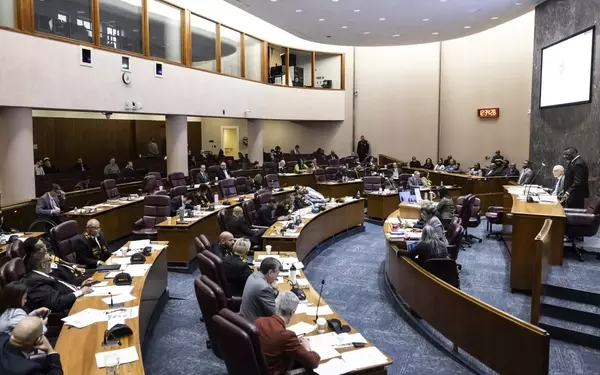
In the heart of Texas, the city of Austin faced a pivotal moment as its Bond Election Advisory Task Force deliberated on the future of climate-related investments. During a meeting held in late February 2025, the task force decided against proposing a standalone climate-focused bond election for the upcoming year. Instead, they chose to incorporate these critical projects into the larger 2026 general obligation bond package. This strategic shift came after thorough discussions on the logistical and financial challenges associated with consecutive bond elections.
The Environmental Investment Plan, introduced by city officials, highlighted over $7 billion in potential investments aimed at reducing carbon emissions, conserving land and water resources, enhancing community resilience, and improving municipal sustainability. Despite the clear need for such initiatives, many projects were still in the early stages of development. Zach Baumer, director of the Office of Climate Action and Resilience, emphasized that additional scoping, prioritization, and cost analysis were necessary before any projects could be finalized for inclusion in a bond package. Without this groundwork, presenting voters with unclear or unfeasible proposals in 2025 posed significant risks.
Moreover, the city had approximately $1.3 billion in unspent bond funds from past elections, complicating the case for an immediate climate bond. Long timelines for executing previously approved capital projects raised concerns about the city’s capacity to manage new funds effectively if a 2025 bond were to pass. Garry Merritt, a task force member, expressed reservations about the limited public engagement possible for a 2025 bond and the potential confusion caused by two consecutive bond elections. He argued that waiting until 2026 would allow for better preparation and broader voter support.
Implications and Reflections
This decision reflects a cautious yet strategic approach to addressing the city's climate needs. By integrating climate-related projects into the 2026 bond package, the task force aims to ensure that all initiatives are thoroughly vetted and well-prepared for public scrutiny. This move also aligns with the city’s tradition of bundling diverse projects into single bond packages, which tend to garner wider support from various interest groups. From a journalist's perspective, this decision underscores the importance of balancing urgency with feasibility in public policy. It highlights the need for careful planning and stakeholder engagement to build robust, effective strategies that can withstand both political and logistical challenges. Ultimately, this approach may lead to a stronger, more cohesive bond proposal in 2026, ensuring that Austin continues to make meaningful strides toward a sustainable future.