Soaring to New Heights: The Resurgence of Global Air Travel
Unprecedented Global Flight Activity in Mid-Summer
July 23 witnessed a remarkable peak in commercial aviation, with an astounding 153,359 flights tracked worldwide, setting a new benchmark for global air travel. This surge is largely attributed to the synchronized summer vacation periods across major continents, including North America, Europe, and Asia, driving a significant increase in passenger demand.
Sustained Growth Trajectory for the Aviation Industry
The broader trend indicates a flourishing aviation sector. The previous year concluded with record-breaking figures, and projections for 2026 anticipate a substantial 5% increase in global passenger traffic compared to 2025. Current performance suggests the industry is well on track to meet, if not exceed, these ambitious targets.
Leading U.S. Airlines Achieve Strong Market Gains
This positive momentum has significantly benefited prominent U.S. airlines such as Delta Air Lines, United Airlines Holdings, and Southwest Airlines. These carriers have not only seen a substantial uptick in passenger volume but have also demonstrated strong stock market performance. Delta's shares have climbed by 35% this year, while both United and Southwest have recorded approximately 19% growth, significantly outpacing the overall market, as measured by the S&P 500's 13% rise.
Economic Factors Influencing Airline Operations
Despite an increase in jet fuel prices throughout the year, a portion of which was passed on to consumers through elevated ticket fares, the demand for air travel has remained exceptionally robust. Concurrently, a reduction in available aircraft capacity, primarily due to manufacturing backlogs at industry giants like Boeing and Airbus, has also contributed to the current market dynamics.
Outstanding Second Quarter Financial Outcomes
All three major airlines – Delta, United, and Southwest – unveiled their second-quarter financial results in July, largely surpassing analyst expectations. These impressive reports underscore the sector's strong operational health and profitability during a peak travel period.
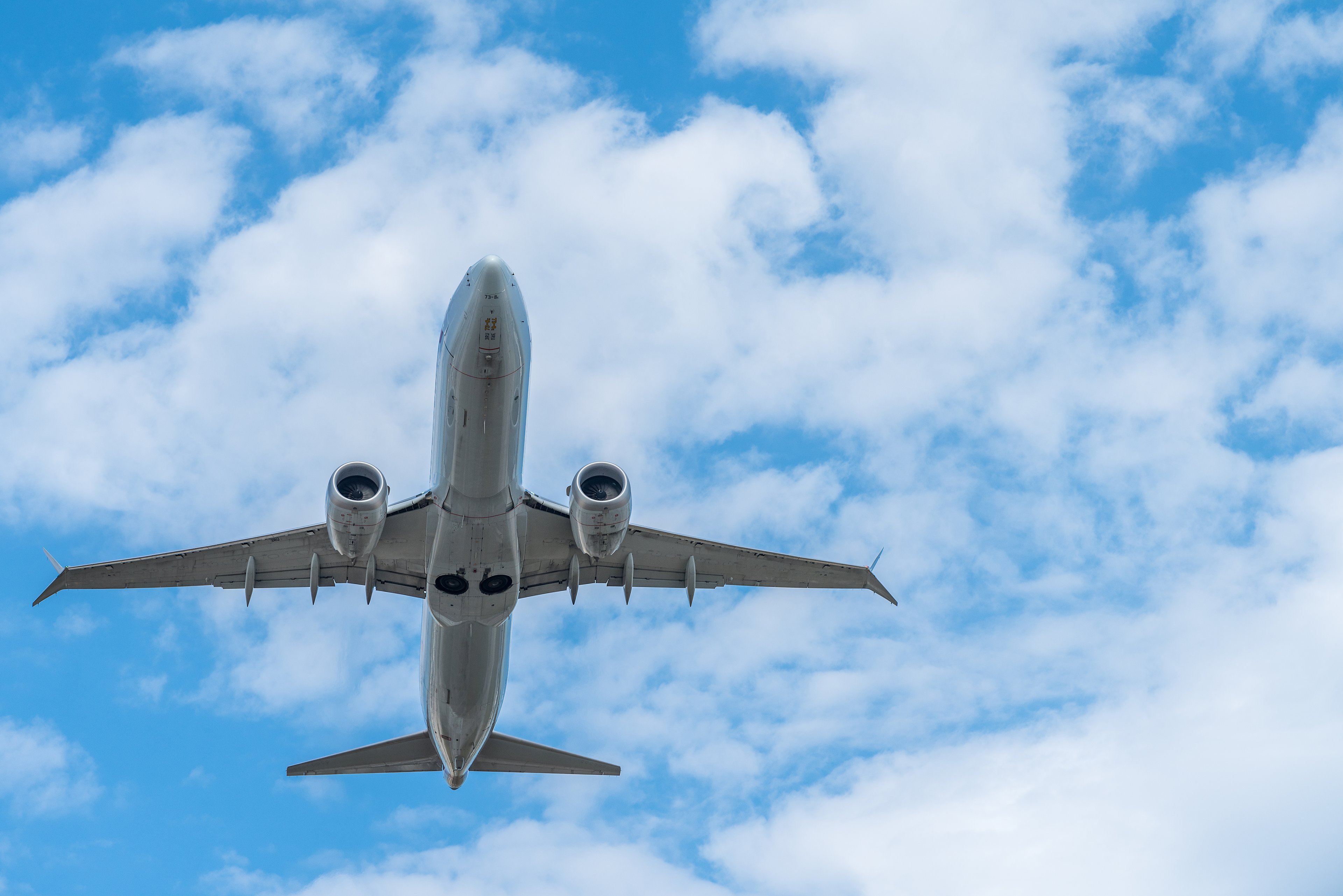
Image source: Getty Images.
Delta's Financial Outperformance and Future Projections
Delta's revenue and earnings for the second quarter exceeded Wall Street's predictions. The airline is projected to achieve approximately $73 billion in income for the full year 2026, marking a 15% increase over 2025. Earnings per share are expected to reach $6.63, a 14% improvement from the previous year, signaling strong financial health and growth trajectory for the airline.
United Airlines Raises Earnings Outlook Amidst Fuel Concerns
United Airlines also reported stronger-than-expected earnings and revenue for the second quarter, leading to an upward revision of its full-year earnings forecast to $9-$11 per share. Despite this optimistic outlook, the company acknowledges that an estimated $6 billion in additional fuel costs could impact its expenses for the year, presenting a notable headwind.
Southwest Airlines Records Robust Demand and Higher Fares
Southwest Airlines announced second-quarter earnings of $0.94 per share on revenues of $8.72 billion, surpassing market expectations. The airline's CFO confirmed sustained high demand for air travel, but also indicated that rising fuel costs have necessitated an increase in ticket prices. This strategy reflects the industry's delicate balance between managing operational costs and maintaining profitability.
The Pervasive Impact of Fuel Costs on Airline Profitability
While the recent financial results of these major airlines inspire confidence, investors are reminded of the significant role jet fuel prices play in the sector. Fuel expenses typically constitute between 20% and 30% of an airline's operating costs. Therefore, any further escalation in fuel prices, particularly influenced by geopolitical events such as the conflict in the Persian Gulf, could pose a substantial challenge to these carriers' financial performance and overall profitability, underscoring the inherent volatility in the aviation market.