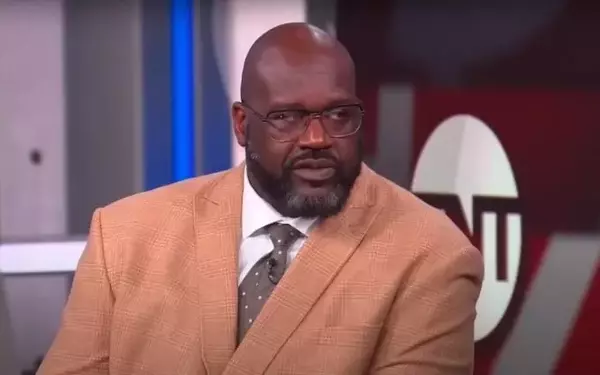
The long-standing public rivalry between NBA giants Dwight Howard and Shaquille O'Neal has officially concluded, with both players expressing a newfound mutual respect. Their reconciliation, confirmed by Howard in a recent interview, transcends the competitive on-court comparisons that defined much of their professional careers. This development marks a significant moment, as two of basketball's most dominant centers move past previous misunderstandings to acknowledge each other's legacies and contributions to the sport. The resolution of their tension emphasizes a mature shift from past animosity to a shared appreciation for their place in basketball history.
This resolution underscores the evolution of their relationship from one marked by perceived animosity to genuine mutual respect. Both players, now inducted into the Hall of Fame, have publicly acknowledged the importance of honoring those who came before them, and the significance of personal understanding beyond the professional arena. This reconciliation offers a powerful message about maturity and the ability to bridge past differences, demonstrating that even long-standing rivalries can evolve into a place of camaraderie and appreciation for shared achievements in the sport.
The Genesis and Resolution of a Noted NBA Rivalry
Dwight Howard and Shaquille O'Neal, two prominent figures in the NBA, have officially ended their long-standing public dispute. Howard, reflecting on their relationship, underscored that the animosity, though at times appearing real due to O'Neal's critiques and Howard's perception of being targeted, has genuinely dissipated. He articulated that their reconciliation was not merely for show but a heartfelt process of moving past bygone issues. As both players have transitioned into their post-NBA careers and are recognized as Hall of Famers, Howard stressed the importance of respecting predecessors like O'Neal, who laid the groundwork for future generations of dominant centers.
The rivalry between Howard and O'Neal stemmed largely from constant comparisons of their playing styles and career trajectories. Both were lauded for their exceptional size, athleticism, and defensive prowess, making them dominant forces in their respective eras. Howard's achievement of leading the Orlando Magic to the 2009 NBA Finals, notably overcoming LeBron James's Cavaliers, brought further scrutiny as he was often seen as O'Neal's successor in terms of on-court dominance. O'Neal, a multiple NBA champion and Finals MVP, frequently fielded questions about Howard's status among elite centers, which inadvertently fueled the perception of tension. However, O'Neal himself clarified during the BIG3 playoffs that any perceived dislike was a misunderstanding, stating he never truly held animosity towards Howard. This public acknowledgement from both sides signals a profound shift, moving beyond the narrative of rivalry to one of mutual appreciation for their respective impacts on the game and their careers.
From On-Court Competition to Off-Court Camaraderie
The journey of Dwight Howard and Shaquille O'Neal from perceived adversaries to colleagues sharing mutual respect highlights a significant transformation in their relationship. Howard specifically pointed out the distinction between their on-court competitive dynamic and their off-court personal interactions. He emphasized that the "beef" or animosity was primarily rooted in the competitive nature of their profession and the media comparisons, rather than a deep-seated personal hatred. With both now celebrated as Hall of Famers and their active playing days behind them, the focus has shifted towards celebrating their collective legacies and mutual admiration for each other's contributions to basketball. This evolution signifies a mature understanding that competitive differences do not necessarily equate to personal animosity.
Their reconciliation culminated from a place of mutual recognition and respect, particularly as they both achieved Hall of Fame status. Howard expressed contentment that they had the opportunity to openly discuss and resolve their past issues, solidifying a bond that transcends their professional rivalry. This demonstrates a shared understanding of the pressures and expectations that came with being compared to one another throughout their careers. The public acknowledgment of their reconciliation by both players serves as an example of sportsmanship and maturity, proving that even the most publicized feuds can be resolved through genuine communication and a shared respect for each other's journeys and accomplishments in the demanding world of professional basketball. Their current relationship underscores a shared reverence for the sport and for the impact they both had on it, moving past competitive narratives to a more profound appreciation of their legacies.