Global economic conditions are prompting fixed-income investors to recalibrate their strategies. As concerns mount over potential downturns, many investors are shifting their focus toward longer-term securities while simultaneously reducing exposure to riskier assets. This approach reflects a growing belief that interest rates might remain lower for an extended period, influenced by the Federal Reserve's cautious stance on further rate adjustments.
A significant shift in investor behavior has emerged as they anticipate prolonged periods of low yields. Market analysts observe that this trend is driven by heightened fears of an impending recession, exacerbated by ongoing geopolitical tensions and trade disputes. For instance, some financial institutions have adopted more defensive positions, emphasizing long-duration holdings while maintaining a watchful eye on credit markets. These moves suggest a strategic pivot aimed at safeguarding portfolios against anticipated volatility.
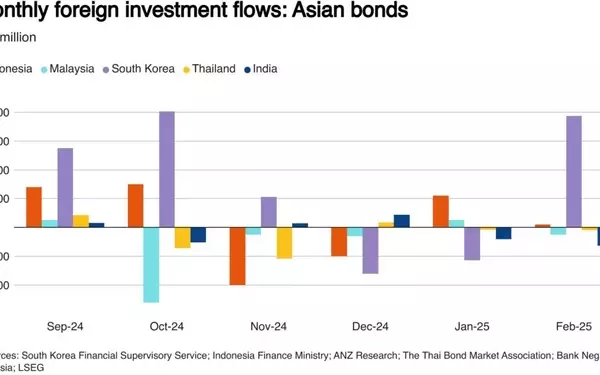
Despite current economic indicators showing resilience, apprehension about future policy impacts persists among investors. While short-term forecasts project steady interest rates, expectations for eventual reductions linger due to underlying uncertainties. Central bank communications, including projections and commentary from key figures like Fed Chair Jerome Powell, will continue to shape market sentiment. Additionally, global opportunities in regions offering higher yields may attract attention as domestic conditions evolve, encouraging diversified investment approaches to mitigate risks and capitalize on emerging prospects.
The evolving landscape underscores the importance of adaptability in financial planning. By embracing flexibility and staying informed, investors can navigate complex market dynamics effectively. Such proactive measures not only protect capital but also foster growth amidst challenging times, reinforcing the value of prudent decision-making in uncertain environments.