A recent surge in US Treasury yields has seemingly influenced President Donald Trump's decision to temporarily halt plans for new tariffs. This unexpected shift highlights the bond market's pivotal role in shaping economic policy decisions, as Treasuries are traditionally viewed as one of the safest global investments due to the US government's longstanding reputation for fiscal responsibility. The proposed tariffs, however, disrupted this perception, leading to significant fluctuations in borrowing costs and unsettling investors worldwide.
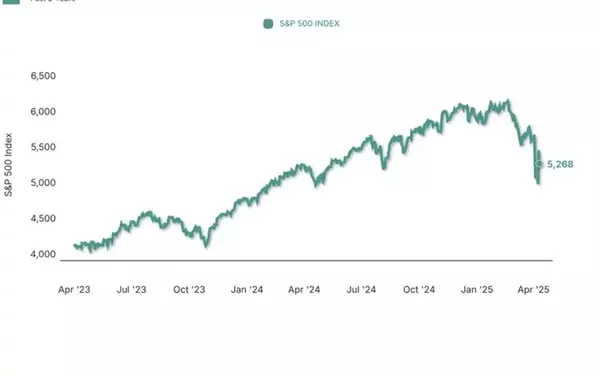
Trump's announcement of broad-based tariffs, referred to as "liberation day," triggered a dramatic rise in yields on 30-year US Treasuries, climbing over 5%—one of the most substantial weekly increases since 1981. This volatility stemmed from multiple factors, including inflationary fears, reduced investor demand, and limited Federal Reserve intervention. Bond prices are highly sensitive to inflation expectations, and the prospect of retaliatory trade measures heightened concerns about rising consumer prices. Consequently, investor confidence in US Treasuries waned, prompting a shift towards alternative safe-haven assets like gold.
Additionally, geopolitical uncertainties and escalating trade tensions have led to a potential "buyers' strike" among foreign investors, further pressuring bond prices. Unlike previous periods of market instability, such as during the early stages of the COVID-19 pandemic, the Federal Reserve's hands were tied by persistently high inflation rates, limiting their ability to intervene effectively. This lack of action exacerbated investor anxiety, contributing to the sustained turbulence in bond markets.
Long-term fiscal challenges also loom large, with the US national debt projected to reach 118% of GDP within a decade. Rising debt levels coupled with increased borrowing costs place mounting pressure on the federal budget, as interest payments now constitute a significant portion of expenditures. These fiscal strains likely factored into Trump's decision to delay tariffs, underscoring the bond market's influence on policymaking. As the US navigates an increasingly uncertain economic landscape, future policy decisions will need to carefully consider their potential impact on bond market stability.
Looking ahead, the relationship between fiscal policy and bond market dynamics will remain critical. While the temporary tariff pause offers some respite, continued reliance on tariffs could lead to further market disruptions. Policymakers must balance economic growth with fiscal responsibility to maintain investor confidence and ensure sustainable long-term borrowing conditions. The episode serves as a cautionary tale about the consequences of policies that undermine financial stability, emphasizing the need for prudent decision-making in an interconnected global economy.