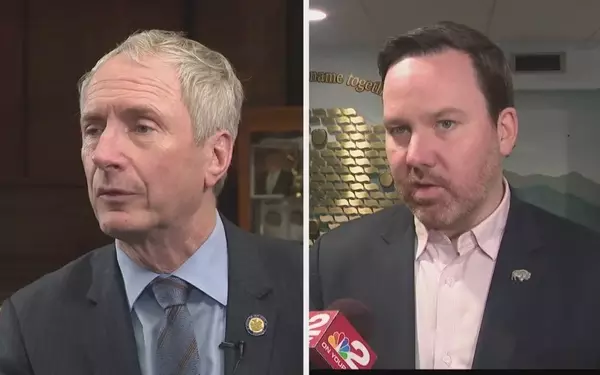
Buffalo faces a looming budget crisis projected to reach $70 million, becoming a central issue in the upcoming mayoral election. Among the candidates, State Senator Sean Ryan advocates for deficit financing bonds issued by the city’s control board as a means to stabilize Buffalo’s financial outlook. This proposal contrasts sharply with Acting Mayor Chris Scanlon's budget plan, which has drawn significant criticism from various quarters.
Ryan suggests utilizing deficit financing bonds while simultaneously developing a four-year strategy to address Buffalo's fiscal challenges. This approach mirrors solutions implemented in other municipalities like Olean and Yonkers. On the other hand, Scanlon dismisses Ryan's idea, viewing it as an impractical addition to the city's debt burden. The debate highlights differing approaches to resolving Buffalo's financial predicament.
A New Financial Stabilization Strategy
State Senator Sean Ryan presents an innovative solution to tackle Buffalo's fiscal instability through deficit financing bonds. His proposal involves leveraging the city control board's Wall Street rating of A-plus, which offers lower interest rates compared to Buffalo's current rating. By issuing these bonds, Ryan aims to create a sustainable financial model that uses recurring revenue streams, such as parking ramp income, to cover bond payments over time. This method focuses on stabilizing long-term budgetary issues rather than relying on short-term fixes.
Ryan emphasizes that his plan aligns with successful strategies employed by other cities facing similar financial crises. He argues that by adopting this approach, Buffalo can break free from its cycle of annual deficits and high debt levels. The use of deficit financing bonds allows the city to focus on addressing structural imbalances without resorting to immediate tax hikes or asset sales. Critics argue that borrowing more money might worsen the situation; however, Ryan counters that the control board's superior credit rating ensures manageable interest costs, making this a viable option for long-term fiscal health.
Critical Perspectives on Current Budget Proposals
Acting Mayor Chris Scanlon opposes Ryan's bond-based solution, criticizing it as an unnecessary increase in Buffalo's debt load. Scanlon's own budget proposal includes measures such as an 8% property tax hike, selling downtown parking ramps, and instituting a local hotel bed tax. These initiatives have faced backlash from both political opponents and segments of the business community who view them as burdensome or unsustainable. Moreover, some of these proposals require state legislative approval, complicating their implementation timeline.
Scanlon accuses Ryan of promoting impractical ideas while simultaneously dismissing his administration's efforts to balance the budget. However, Ryan counters that Scanlon's reliance on temporary revenue sources perpetuates Buffalo's financial woes. He warns that if no decisive action is taken, the city risks running out of cash by year-end, leading to another cycle of unmanageable debt. To prevent this scenario, Ryan believes swift state legislative approval for his bond proposal could stabilize Buffalo's finances within months, offering a clear path forward amidst the ongoing fiscal uncertainty.