In a detailed examination, the camera systems of the Apple iPhone 17 Pro and Google Pixel 10 Pro XL are put head-to-head, focusing on their distinct approaches to mobile photography. The author, typically an Android enthusiast, rigorously tested both devices across various photographic scenarios, including ultrawide, macro, and zoom shots. The iPhone 17 Pro introduces significant hardware upgrades, including a new 4x telephoto sensor, while the Pixel 10 Pro XL leverages its Tensor G5 chip and Gemini-powered AI for enhanced computational photography, particularly in extreme zoom. The analysis highlights a compelling trade-off between the Pixel's impressive long-distance zoom capabilities and the iPhone's more reliable and aesthetically consistent optical zoom range for daily use, ultimately leading the author to a surprising conclusion about their preferred device for still photography.
iPhone 17 Pro vs. Pixel 10 Pro XL: A Comprehensive Camera Deep Dive
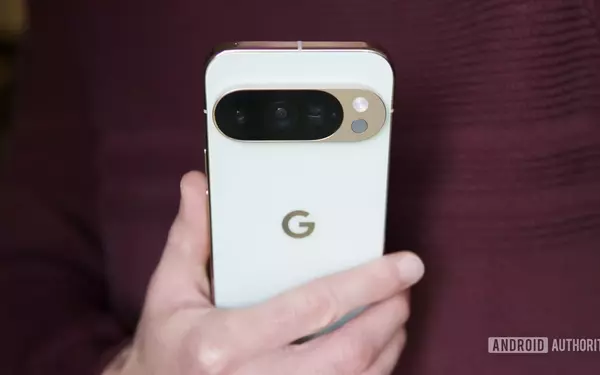
In a recent and thorough photographic comparison, an experienced technology reviewer meticulously assessed the camera prowess of Apple's latest iPhone 17 Pro against Google's Pixel 10 Pro XL. The evaluation, conducted recently, aimed to determine which flagship device offered a superior overall photography experience, especially in terms of zoom functionality. The author, a long-standing advocate for Android, initiated this comparison with a critical eye, considering the iPhone 17 Pro's revamped camera interface, new Photographic Styles, and a significantly improved 4x telephoto sensor. The Pixel 10 Pro XL, on the other hand, brought to the table its robust 50MP primary sensor, a 48MP 5x telephoto lens, and a 123-degree ultrawide sensor, all powered by Google's advanced Tensor G5 chipset and sophisticated AI algorithms, including 100x Pro Res Zoom.
The testing began with ultrawide shots, where both devices captured wide-angle scenes. The iPhone presented a darker, moodier color profile with a subtle blue-green tint, which the reviewer noted might be more reflective of actual lighting conditions. In contrast, the Pixel delivered brighter, more color-accurate images. For macro photography, the Pixel 10 Pro XL generally offered sharper focus across a broader area of the subject, while the iPhone provided a closer view, sometimes at the expense of overall sharpness. The color rendition in macro shots was commendable on both, though the Pixel surprisingly rendered a leaf with a shinier appearance.
The core of the comparison centered on zoom capabilities. The iPhone 17 Pro featured a 4x optical magnification (100mm equivalent), while the Pixel 10 Pro XL boasted 5x optical magnification (113mm equivalent). The reviewer found the iPhone's slightly wider crop at 4x more appealing, allowing for greater detail and flexibility in framing, such as capturing more of a brick wall or surrounding elements. While the Pixel offered 2x or 3x zoom options for portrait mode, the iPhone's 100mm focal length produced a more natural-looking outcome. However, the Pixel truly shone in extreme digital zoom, with its AI-powered Pro Res Zoom delivering remarkably sharper details at 30x or 50x magnification, outperforming the iPhone, which lacked similar lock-in focal lengths at higher zoom levels, making it more challenging to achieve steady, clear shots.
The Evolving Landscape of Smartphone Photography: Hardware vs. Software
This comparison underscores a pivotal point in the evolution of smartphone photography: the ongoing interplay between cutting-edge hardware and advanced computational software. While the Pixel's AI-driven zoom pushes the boundaries of what's possible in terms of magnification, the iPhone's strength lies in its reliable, optically superior everyday zoom. This suggests that for most users, consistent performance within a practical zoom range might be more valuable than the ability to achieve extreme magnifications that are rarely used. The review also highlights that while Google once held a significant lead in image processing, Apple is rapidly closing the gap, with features like 'Clean Up' catching up to Google's 'Magic Editor'. This shift implies that future advancements in smartphone cameras will likely involve a harmonious blend of both hardware innovation and intelligent software, continually redefining user expectations for mobile photography.