In a recent development, Chicago Mayor Brandon Johnson has faced significant scrutiny over his proposed $830 million general obligation bond issue. Despite tightening the language to restrict fund usage for capital projects within the city's wards, Johnson remains steadfast in his refusal to reduce the bond size or revise the repayment schedule, which would raise the total cost to $2 billion. Critics argue that the back-loaded repayment plan places an undue burden on future taxpayers. Meanwhile, Alderman Bill Conway and others are pushing for a more responsible financial structure, proposing a reduced bond amount and a standard repayment schedule. The debate highlights the tension between immediate infrastructure needs and long-term fiscal responsibility.
Mayor Stands Firm on Bond Proposal as Council Pushes Back
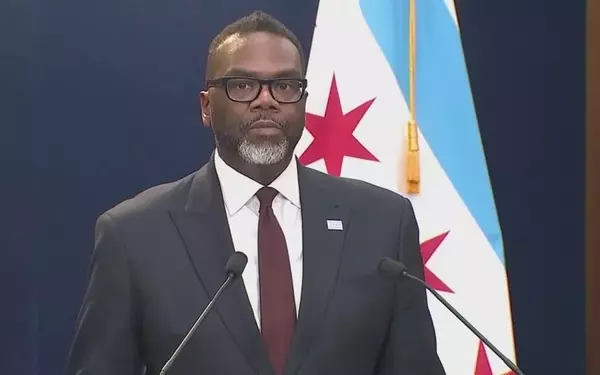
In the heart of the Windy City, Mayor Brandon Johnson defended his $830 million bond proposal during a press conference at City Hall. The mayor emphasized that this was not a "payday loan" but rather a necessary investment in Chicago's infrastructure. Johnson recounted a conversation with a constituent who stressed the importance of addressing immediate community needs, such as fixing streets over personal expenses. This sentiment underscores the administration's commitment to serving the people of Chicago.
Johnson's revised bond language now restricts funds to capital projects within each ward, ensuring transparency and accountability. However, these changes have not appeased all critics. Finance Committee Vice-Chair Bill Conway plans to propose a smaller $508 million bond, arguing that the current repayment plan is financially irresponsible and burdensome for future generations. Conway's alternative includes a more traditional repayment structure, potentially saving taxpayers $1 billion in financing costs.
Alderman Timmy Knudsen also opposes the mayor's plan, advocating for a 20% reduction in the bond amount and eliminating interest-only payments. Knudsen believes that restructuring the bond can prevent further financial strain while still meeting essential infrastructure needs. Residents express frustration over the high interest payments, questioning whether the city can efficiently manage and complete planned projects.
The upcoming City Council vote looms large, with Johnson's support wavering amid public disapproval and editorial pressure for substantive changes. The debate reflects broader concerns about balancing immediate infrastructure demands with long-term fiscal prudence.
From a journalist's perspective, this controversy highlights the delicate balance between addressing current needs and ensuring sustainable financial practices. It raises questions about the role of local government in managing resources responsibly and the importance of transparent decision-making processes. Ultimately, the outcome of this debate will set a precedent for how Chicago handles its financial obligations and infrastructure investments moving forward.