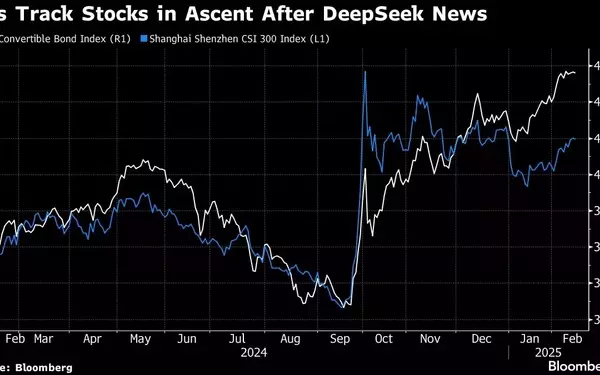
In recent developments, the yields on Chinese government bonds have experienced a notable increase as tight liquidity conditions in the domestic market and a surge in stock prices have diminished demand for debt instruments. On Tuesday, the yield on China’s benchmark 10-year bond climbed to 1.73%, marking its highest level since December. Similarly, the one-year yield reached its peak since August at 1.48%. Analysts attribute this shift to factors such as improved economic outlook, optimism surrounding the tech sector, and reduced concerns over US tariffs. The People's Bank of China (PBOC) has also played a role by draining liquidity from the banking system to support the yuan, leading to higher borrowing costs.
The recent rise in Chinese sovereign yields marks a departure from previous record lows driven by sluggish growth and a lack of attractive local assets. Short-term yields have seen a more pronounced increase, reflecting tighter liquidity conditions. The PBOC has been actively managing liquidity through open market operations, injecting funds via reverse repurchase agreements while allowing medium-lending facilities to mature. This strategy aims to stabilize the yuan but has led to elevated short-term rates. Experts suggest that continued stock market gains could further reduce interest in bonds, potentially extending the sell-off in the short term.
Analysts like Xing Zhaopeng from ANZ Banking Group predict that the 10-year yield could reach between 1.6% and 1.8% by the end of the quarter. The delay in US tariffs and strong economic performance are expected to contribute to this trend. Meanwhile, Becky Liu from Standard Chartered Bank notes that the PBOC's focus on yuan stability will likely keep short-term rates high. The measured increase in yields may be beneficial for authorities, signaling confidence in the economy and easing concerns about a potential debt bubble.
Moving forward, the dynamics between bond and equity markets will continue to shape the financial landscape. If the stock market rally persists, it could lead to a shift in investment preferences from bonds to equities, potentially prolonging the bond sell-off. However, any disappointments from upcoming policy meetings, such as the National People’s Congress, could influence bond yields once again. The interplay of these factors will be crucial in determining the future trajectory of Chinese bond yields.