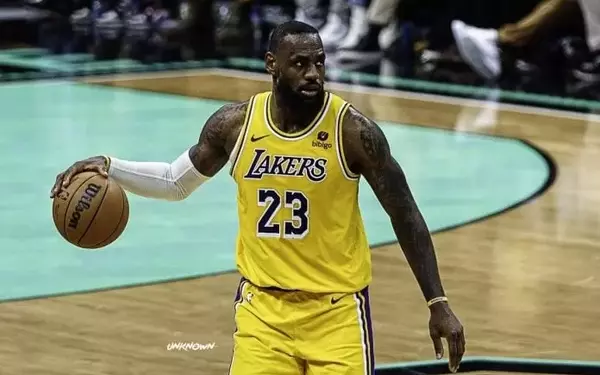
Former NBA guard Chris Childs recently recounted a notable on-court confrontation with basketball legend Kobe Bryant. Childs shed light on the incident, clarifying his intentions were to establish his presence rather than inflict serious harm. He detailed how the then-NBA Commissioner David Stern became involved, imposing a substantial fine that was later partially reimbursed under certain conditions. Childs also expressed his frustration with the media's emphasis on the altercation itself, overshadowing the considerable financial penalties he faced.
Details of the On-Court Altercation and Aftermath
During an appearance on the podcast Saving the Association, Chris Childs vividly recalled the moment he stood face-to-face with Kobe Bryant on the basketball court. Despite a notable height difference, Childs described deliberately leaning his forehead against Bryant's chin before an exchange of contact occurred. He stated his primary goal was to send a clear message: that he was not to be trifled with, rather than to genuinely injure the younger player. This intense interaction did not go unnoticed by the league's top brass.
Following the incident, Childs was summoned by NBA Commissioner David Stern. According to Childs, Stern expressed surprise at his involvement in such a scuffle, particularly with Kobe. Stern then presented Childs with a unique proposition: a significant portion of his initial fine, approximately 80%, would be returned if he avoided any future on-court altercations, with the remaining 20% being donated to charity. This conditional resolution highlighted the league's attempt to manage player conduct while mitigating severe financial repercussions.
Childs further reflected on the challenges of league discipline, noting that the public and media largely fixated on the physical altercation itself. He felt there was insufficient attention paid to the substantial fines and suspensions he received, including a quarter-million dollar fine and a two-game suspension, which he believed lacked adequate discussion or support. He also mentioned that the presence of referees Tim Donaghy and Monty McCutchen, both known to him from his time in the Continental Basketball Association (CBA), contributed to his ability to maintain composure during the heated exchange. Childs credits Monty McCutchen's unspoken acknowledgment as a calming factor in the tense situation. His reflections underscore the complex dynamics between player assertiveness, league oversight, and public perception in professional sports.
This incident offers a valuable glimpse into the competitive and often intense world of professional basketball, where personal pride and strategic intimidation can play significant roles. It highlights the fine line players walk between fierce competition and maintaining professional conduct. The interaction also reveals the NBA's approach to disciplinary actions, blending punitive measures with incentives for behavioral change. Ultimately, Childs' account serves as a reminder that behind the highlight reels, there are real human interactions and consequences that shape the careers and reputations of athletes.