The Los Angeles Clippers' new arena naming rights deal has sparked controversy, as a now-bankrupt financial services company, Aspiration, offered nearly twice as much as the successful bidder, Intuit. This revelation has further fueled an ongoing NBA investigation into the financial arrangements between Aspiration and Clippers star player Kawhi Leonard, raising concerns about potential salary cap circumvention.
Aspiration, a company that previously engaged in financial services and tree-planting initiatives, reportedly presented a bid exceeding $1 billion for the arena's naming rights. This figure significantly surpassed the $550 million offer from Intuit, the established brand that ultimately secured the deal. The Clippers' decision to choose Intuit, despite the lower bid, suggests a preference for financial stability and brand recognition over a higher monetary offer, especially given Aspiration's subsequent financial collapse.
The Arena Naming Rights Decision
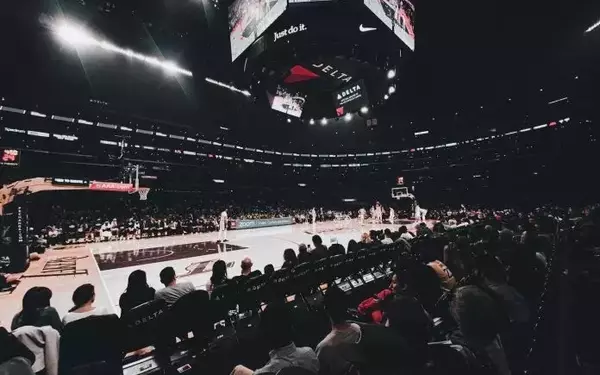
The Los Angeles Clippers made a strategic choice by awarding the naming rights for their new arena to Intuit, despite a significantly higher bid from Aspiration. Aspiration, a financial services and environmental company that has since declared bankruptcy, reportedly offered over $1 billion for the naming rights, nearly doubling Intuit's successful $550 million bid. The Clippers' decision was influenced by a preference for Intuit's established reputation and financial stability, aiming to avoid potential complications with a less secure partner. This choice proved prudent, as Aspiration's subsequent financial difficulties would have created considerable challenges for the arena's naming rights. The franchise prioritized long-term stability and a reputable brand association over a short-term financial gain from a company on the brink of collapse.
The details surrounding Aspiration's bid, which reportedly exceeded $1 billion, came to light through reports from ESPN's Ramona Shelburne. Clippers sources confirmed that Aspiration's proposal was indeed substantially larger than Intuit's. However, the Clippers opted for Intuit, a company with a strong and proven track record, to ensure the reliability and prestige of their new arena's naming partner. This strategic decision was also implicitly linked to the unfolding investigation into Aspiration's financial dealings with Kawhi Leonard. By selecting Intuit, the Clippers distanced themselves from a company whose financial practices and ties to a key player were drawing scrutiny from the NBA, highlighting a proactive approach to mitigate potential reputational and financial risks. This decision underscored the team's commitment to a secure and reputable partnership for its prominent new venue.
Kawhi Leonard's Financial Ties and NBA Investigation
The NBA has launched an investigation into the financial relationship between Aspiration and Kawhi Leonard, a key player for the Los Angeles Clippers, focusing on potential salary cap circumvention. Documents obtained by Pablo Torre of The Athletic revealed that Leonard received an endorsement contract worth $28 million from Aspiration, a sum reportedly greater than what high-profile celebrities like Leonardo DiCaprio and Drake received from the same company. These documents also indicated that Leonard was treated as a payment priority even as Aspiration faced severe financial distress. This preferential treatment and the significant endorsement amount have led the league to question whether this arrangement was designed to influence Leonard's decision to join the Clippers in 2019, potentially violating NBA salary cap regulations.
The league's review of this deal is being conducted by Wachtell, Lipton, Rosen & Katz, a law firm with a history of handling high-profile investigations for the NBA, including those involving Donald Sterling and Robert Sarver. Clippers owner Steve Ballmer acknowledged a minor personal investment in Aspiration, stating it was less than three percent and unrelated to player negotiations, emphatically denying any connection between Leonard's endorsement and his team contract. However, if the investigation uncovers any violations, the NBA could impose severe penalties. These potential sanctions range from voiding contracts to suspending executives or issuing substantial financial fines, echoing past cases such as the Minnesota Timberwolves and Joe Smith incident in 2000. The outcome of this investigation will significantly impact the Clippers, Kawhi Leonard, and potentially set new precedents for how the league handles complex financial arrangements between players and team-affiliated entities.