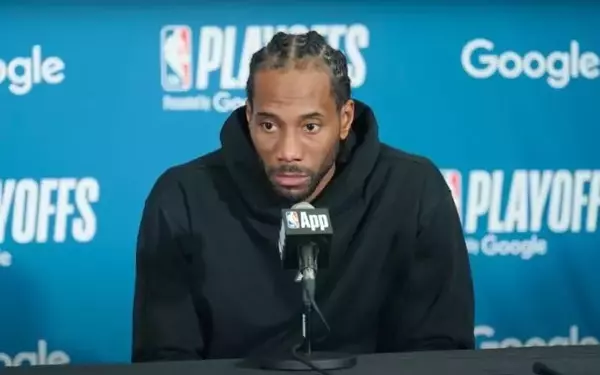
Insiders within the Los Angeles Clippers franchise have reportedly voiced profound dissatisfaction regarding Kawhi Leonard's time with the team, labeling it an ordeal. His consistent health issues and subsequent absences since his arrival in 2019 have generated considerable apprehension about his sustained effectiveness and strategic role within the organization. While occasionally demonstrating exceptional skill, his unreliable presence on the court has emerged as a significant source of tension, affecting crucial contract negotiations and raising questions about his long-term position with the team.
Reports from within the Los Angeles Clippers indicate a widespread sentiment of exasperation over Kawhi Leonard's tenure, with some sources describing his time as a \"nightmare.\" Since his arrival in 2019, Leonard has participated in less than half of the team's games, raising substantial concerns about his consistent availability. A franchise insider noted Leonard's immense talent when healthy, but underscored the persistent challenge posed by his frequent injuries and the complexity of his management team. This ongoing frustration with his health has been previously highlighted, with former staffers pointing to the weariness caused by his injuries and absences.
The Recurring Issue of Kawhi Leonard's Availability
Kawhi Leonard's persistent injury struggles and the challenges associated with his presence have been a major source of discontent within the Los Angeles Clippers organization since his arrival. Despite his undeniable talent, his inability to consistently remain on the court has led to significant frustration among team members and management, influencing key decisions regarding player contracts and long-term roster development. This ongoing issue has cast a shadow over his contributions, raising questions about the sustainability of his role with the team.
Since joining the Clippers in 2019, Kawhi Leonard has only played in 42% of the team’s scheduled games, a statistic that underscores the profound impact of his availability issues. This limited participation has fostered a pervasive sense of frustration within the organization, as corroborated by various reports. His formidable skills are acknowledged, but his frequent periods on the sidelines and the perceived difficulties in managing his situation have created a challenging environment. The team's decision to forgo a substantial contract extension for Leonard before the 2023–24 season, a move influenced by salary cap considerations and the subsequent departure of Paul George, further illustrates the deep-seated concerns over his long-term reliability. Leonard's sporadic returns, including a comeback after right knee inflammation and a brief leave due to family matters, were often followed by brilliant performances, yet these moments of individual excellence failed to fully allay fears about his overall durability. At 32, with just 37 regular-season appearances in 2024–25, averaging 21.5 points, 5.9 rebounds, and 3.1 assists, his continued presence under contract through 2026–27 remains a point of deliberation. For many within the Clippers, his eventual departure is increasingly seen as a potential relief, allowing for more stable and predictable roster planning.
Impact on Team Dynamics and Future Planning
The consistent uncertainty surrounding Kawhi Leonard's playing status has created considerable challenges for the Clippers, affecting team morale and strategic development. The franchise's decision-making process, particularly concerning player contracts and salary cap management, has been directly influenced by his unreliable availability. This ongoing situation has led to internal discussions about his long-term fit and the necessity of a stable roster, signaling a potential shift in the team's approach to future planning.
The chronic issues surrounding Kawhi Leonard's availability have significantly impacted the Los Angeles Clippers' internal dynamics and future strategic planning. His frequent absences have not only placed a strain on team resources but have also necessitated continuous adjustments to game plans and rotations, contributing to a sense of instability. The decision to prioritize salary cap flexibility over offering him a maximum contract extension, especially following the departure of Paul George, highlights the organization's evolving approach to managing high-value assets with recurring health concerns. This strategic shift underscores a broader effort to mitigate risks associated with player availability and to build a more resilient and consistently performing roster. While Leonard has delivered memorable performances, his age and injury history suggest that his role may need to be reevaluated as the team looks towards a more predictable future. Many within the franchise believe that moving beyond this era would ultimately benefit the team's long-term objectives, allowing for greater stability and clarity in constructing a championship-contending squad.