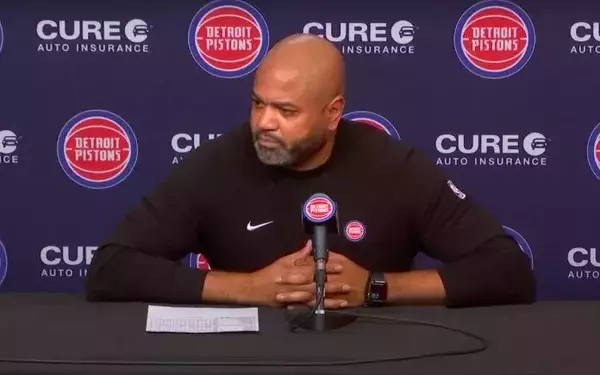
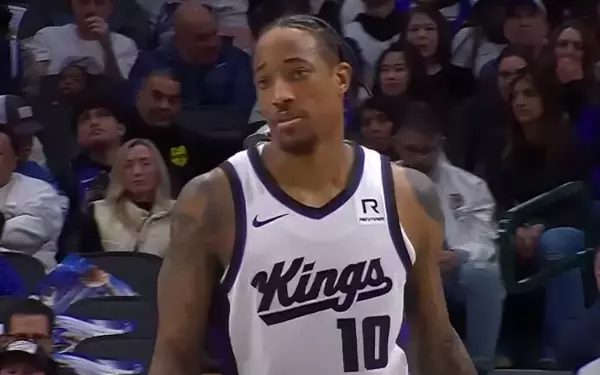
Panathinaikos Aktor's head coach, Ergin Ataman, publicly expressed his dissatisfaction with the refereeing during his team's recent loss to arch-rivals Olympiacos in the Greek derby. He highlighted specific instances of what he perceived as incorrect calls, including a controversial foul reversal and what he sarcastically described as a new sport combining Greco-Roman wrestling with basketball.
Panathinaikos Coach Slams Referee Decisions Following Derby Defeat
In a recent high-stakes basketball clash, Panathinaikos Aktor, under the guidance of head coach Ergin Ataman, faced a challenging defeat against their longtime rivals, Olympiacos, at the Peace and Friendship Stadium on Sunday, October 13, 2025. The match, marking the first Greek derby of the 2025–26 season, saw Panathinaikos initially establish a commanding 12-point advantage. However, they were unable to maintain this lead, ultimately succumbing to their opponents in a game filled with contentious moments.
Although coach Ataman initially refrained from direct commentary on the officiating during his post-game interviews, he later took to social media to articulate his profound frustration. He explicitly named the officiating crew—Ilias Karpanos, Giannis Tsimpouris, and Ioannis Mpakalis—and detailed specific calls he believed were egregiously mishandled. A primary point of contention for Ataman was a play where a foul initially called in favor of Panathinaikos player Kostas Sloukas was inexplicably overturned, resulting in free throws being awarded to Olympiacos. Ataman labeled this decision as 'tragicomic' on Instagram, conveying his astonishment at the reversal. Furthermore, he sarcastically remarked on the perceived leniency of the referees regarding physical contact between Sasha Vezenkov and T.J. Shorts II, quipping about the 'invention of a new sport: Greco-Roman wrestling on a basketball court,' a comment that underscored his belief in the officials' failure to properly manage the physicality of the game.
This incident brings to light the intense pressure and scrutiny faced by sports officials in high-stakes matches. While coaches and players are expected to perform under pressure, the integrity of the game often hinges on fair and consistent officiating. Ataman's candid remarks, though controversial, spark a vital discussion about accountability in sports officiating and the potential impact of referee decisions on game outcomes and team morale. It highlights the need for transparency and, perhaps, reevaluation of officiating protocols to ensure fair play and maintain audience trust.