A striking resemblance is emerging between former President Donald Trump's economic policies and those of Liz Truss, the UK’s shortest-serving prime minister. Both leaders implemented bold fiscal measures that initially destabilized financial markets. While Ms. Truss faced a credit crisis due to her tax cut plans funded by excessive borrowing, Mr. Trump's recent tariff hikes have started affecting U.S. Treasury yields. This situation raises concerns about potential long-term impacts on global investor confidence in American bonds.
In 2022, Liz Truss introduced sweeping tax cuts aimed at boosting the British economy, which were intended to be financed through extensive government borrowing. Her actions triggered market turmoil, particularly evident in the sharp rise of yields on British government bonds. Consequently, she was compelled to reverse her policies within weeks, ultimately resigning after just 44 days in office due to the loss of credibility. Similarly, under President Trump, recent tariffs have caused an increase in U.S. Treasury yields. For instance, yields on 10-year Treasuries rose to 4.5% following the implementation of tariffs exceeding 100% on Chinese goods.
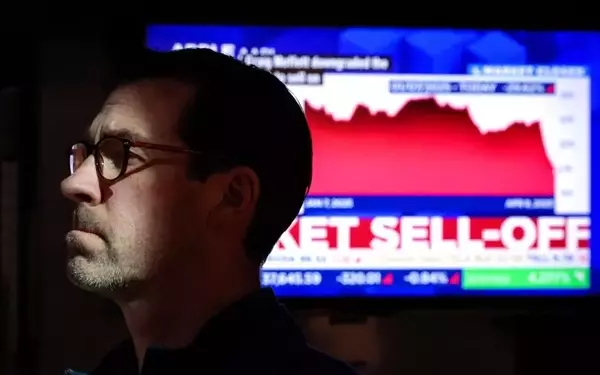
Initially, when Mr. Trump announced his tariffs, bond yields actually decreased slightly despite significant drops in the stock market and weakening of the dollar. This temporary stability highlighted the traditional safe-haven status of the American bond market for investors. However, analysts now suggest that this secure position might be deteriorating. A continued sell-off could force the Federal Reserve to intervene, similar to the Bank of England's actions during the 2022 crisis. Unlike Ms. Truss, who had to abandon her policies due to market pressures, Mr. Trump has not indicated any intention to retract his tariffs.
While both leaders faced immediate market reactions to their fiscal decisions, the political dynamics surrounding each differ significantly. In the UK, Ms. Truss’s inability to sustain market confidence led to her swift departure from office. Conversely, Mr. Trump remains steadfast in his approach, seemingly immune to political or economic pressures urging policy reversal. As these developments unfold, the resilience of the U.S. bond market will be closely monitored, reflecting broader implications for global financial stability.