In a significant corporate maneuver, RealSense, a leader in computer vision technology, has successfully spun out from Intel Corporation. This separation, coupled with a substantial $50 million Series A funding infusion, marks a pivotal moment for RealSense, enabling it to pursue independent innovation and strategic expansion in the rapidly evolving fields of robotics and artificial intelligence. The move underscores a broader trend of corporate restructuring within the tech giant Intel, as it navigates financial headwinds and intensifies its focus on core business areas.
Visionary Independence: RealSense Forges Its Path with New Investment
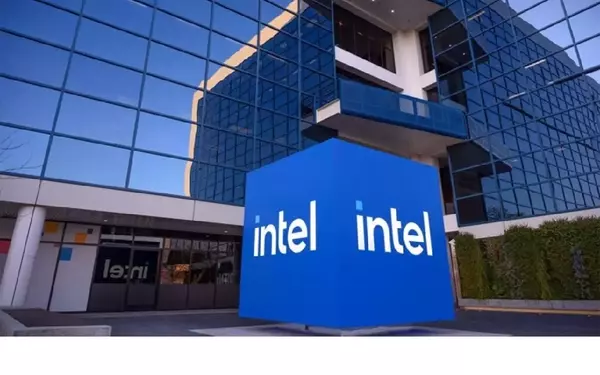
On a significant day, a cutting-edge computer vision enterprise, RealSense, announced its formal separation from Intel Corporation, simultaneously revealing a successful Series A funding round totaling $50 million. This pivotal financial injection was spearheaded by an undisclosed semiconductor-focused private equity firm, with notable contributions from strategic investors including Intel Capital and MediaTek Innovation Fund. This divestiture comes at a time when Intel is undergoing considerable financial adjustments, marked by a substantial decline in stock valuation and recent workforce reductions, reflecting a comprehensive restructuring under its current leadership, Lip-Bu Tan, who assumed the CEO role in late 2024.
The newly liberated RealSense is poised to intensely focus on pioneering advancements in sophisticated computer vision applications tailored for robotics, biometric systems, and diverse AI platforms. Nadav Orbach, the Chief Executive Officer of RealSense, articulated the company's enthusiasm: \"We are incredibly eager to build upon our established leadership in 3D perception for robotics and anticipate remarkable growth in the burgeoning domain of physical AI. Our newfound autonomy empowers us to move with greater agility and innovate more daringly, adapting to dynamic market shifts as we spearhead the charge in AI innovation and the impending robotics resurgence.\"
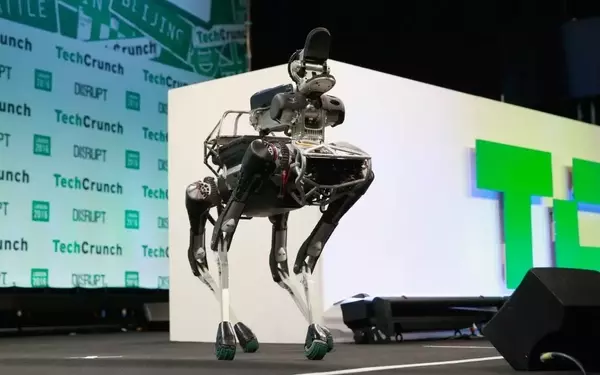
RealSense already boasts a robust global footprint, with its advanced depth cameras integrated into 60% of the world's autonomous mobile robots and humanoid robotics systems. The company serves a diverse client base of over 3,000 customers across the globe and holds an impressive portfolio of more than 80 international patents. The capital secured in this funding round is designated to fuel RealSense's expansion into synergistic markets, bolster its manufacturing capabilities, and significantly broaden its global sales outreach. A primary strategic focus for the company includes meeting the escalating demand for humanoid robotics, autonomous mobile platforms, and advanced AI-driven security solutions.
Orbach further emphasized RealSense's overarching mission: \"Our core objective is to facilitate the safe and seamless integration of robotics and AI into daily human life. This technological progression is not about supplanting human ingenuity or decision-making processes, but rather about alleviating hazardous and tedious tasks from human endeavors.\" This strategic independence aligns with expert projections foreseeing a quadrupling of the robotics sector from its current $50 billion valuation to over $200 billion within the next six years, with humanoid robots specifically anticipated to experience a compound annual growth rate exceeding 40%. The leadership team at RealSense, composed of seasoned professionals from the technology landscape specializing in computer vision, AI, robotics, and market development, is committed to expanding its market entry team and recruiting additional engineers to accelerate product development, charting a vibrant, independent future away from Intel’s past challenges.
The spin-off of RealSense from Intel offers a compelling narrative about the dynamic nature of the technology industry. It highlights that even established segments within large corporations can find renewed vitality and focused growth through independence and strategic investment. From a reporter's perspective, this story is a testament to the agility required in today's fast-paced tech world. For readers, it’s an exciting glimpse into how specialized AI and robotics technologies, when unshackled from broader corporate mandates, can truly flourish and contribute to a future where intelligent machines augment human capabilities, making dangerous or mundane tasks safer and more efficient. The pursuit of "physical AI" by RealSense is particularly inspiring, signaling a future where AI isn't just a digital entity but an embodied presence actively shaping our physical world.