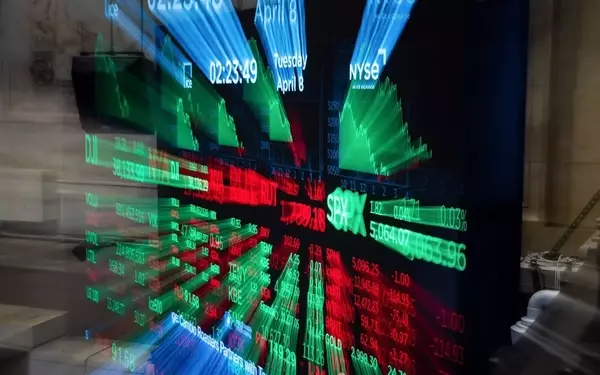
Economic analyst Rana Foroohar highlights potential issues stemming from recent changes within the US bond market. With President Donald Trump's new tariffs now active, there are emerging warning signs that could impact broader economic stability. These shifts in the bond market may signal underlying tensions or uncertainties affecting financial markets and policy decisions.
The interplay between tariff implementations and bond market fluctuations suggests a complex relationship influencing economic health. Analysts like Foroohar emphasize the need for close monitoring of these dynamics to understand their implications fully. Recognizing these signs early can help policymakers address potential challenges proactively.
Analyzing the Impact of Tariffs on Financial Markets
Tariffs imposed by the administration have set off noticeable reactions within financial sectors. As trade policies evolve, so too does the response from various segments of the economy. In particular, the bond market has shown sensitivity to these developments, reflecting deeper concerns about future economic conditions. Economic experts warn that such volatility could lead to unforeseen consequences if not managed appropriately.
The introduction of tariffs often disrupts established patterns within global commerce, prompting adjustments across different industries. When examining the bond market specifically, its responsiveness indicates an awareness of impending risks tied to international trade relations. For instance, increased borrowing costs might arise due to shifting investor confidence levels. This situation could complicate government financing efforts while also impacting private sector activities reliant on stable interest rates. Furthermore, prolonged uncertainty surrounding trade negotiations may exacerbate these effects over time, creating additional strain on already delicate economic balances.
Understanding Signals from the Bond Market
Bond markets serve as critical indicators of overall economic sentiment. Their current behavior points towards possible vulnerabilities within the system that warrant attention. By interpreting these signals correctly, stakeholders can prepare for potential shifts in fiscal landscapes more effectively. The insights provided by seasoned analysts assist in navigating through uncertain periods marked by changing regulations and geopolitical factors.
When evaluating the significance of bond market trends, it becomes evident how interconnected various aspects of the economy truly are. Fluctuations observed here do not exist in isolation but rather stem from broader influences including monetary policies, inflation expectations, and external geopolitical events. Therefore, understanding these connections allows for better anticipation of forthcoming challenges. Moreover, recognizing the role played by investor psychology adds another layer of complexity when assessing likely outcomes. As conditions continue evolving rapidly, staying informed remains crucial for all parties involved—from individual investors seeking protection against loss to governmental bodies aiming to maintain steady growth trajectories amidst turbulent times.