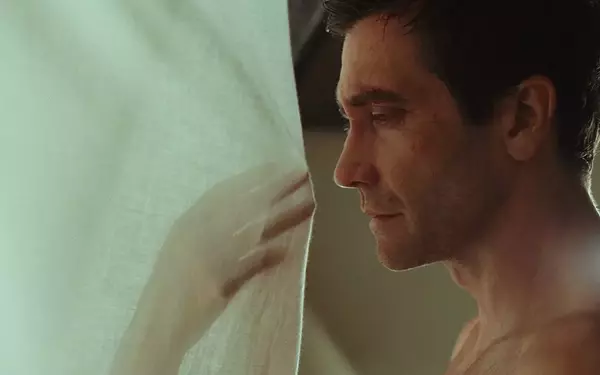
Director Danny Boyle has confirmed the development of a third film in the “28 Years Later” series, noting that star Cillian Murphy will play a substantial part in the sequel, tentatively titled “28 Years 3.” Boyle revealed that a script by Alex Garland is complete and promises Murphy's prominent involvement, humorously questioning if the actor would still be willing to disrobe following his recent Oscar win. Boyle recounted his surprise at Murphy’s physique during the filming of “28 Days Later,” comparing his lean form to Iggy Pop.
During his appearance at the Zurich Film Festival, where he presented his film “Ink,” Boyle also offered his opinion on the next James Bond. He passionately endorsed Jack O'Connell for the iconic role, a choice he shared after discussing his own departure from directing a Bond film, “No Time to Die,” due to creative disagreements. He expressed regret over the missed opportunity but complimented Denis Villeneuve’s directorial prowess, particularly after seeing an early preview of “Dune: Part Three.” Boyle praised O’Connell’s performance in “Ink,” where O’Connell portrays Larry Lamb, highlighting the actor’s ability to make a morally ambiguous character compelling.
Boyle further elaborated on his film “Ink,” which delves into the early career of Rupert Murdoch in the UK, aiming to present a nuanced portrayal beyond common caricatures. He described Murdoch as a surprisingly prudish man in his early days, whose pursuit of success gradually eroded his moral compass. Boyle drew parallels to Al Pacino’s character in “The Godfather Part II,” suggesting that audiences can still be intrigued by figures who make questionable ethical decisions. He also reflected on the broader implications of media practices that began in 1969, suggesting a connection to today's struggle with truth and the prevalence of “fake news” and sensationalism, though he acknowledged that collective responsibility exists in this societal shift, and highlighted that change is possible, citing politician Andy Burnham as a potential source of hope for tackling long-term societal issues.
In a world grappling with information overload and shifting moral landscapes, Boyle’s reflections encourage us to critically examine the origins of our current societal challenges. His emphasis on hope and the potential for positive change reminds us that proactive engagement, rather than passive acceptance, is essential for fostering a more truthful and cohesive future.