Embracing the Future: Data-Driven Strategies for a Volatile Risk Landscape
The Escalating Pressure on Re/insurance Amidst a Dynamic Risk Environment
The recent Monte Carlo Rendez-vous event brought to the forefront the accelerating pace of change within the global risk landscape, placing unprecedented demands on the insurance and reinsurance industries. Industry leaders are observing a rapid evolution in risk profiles, underscoring the urgent need for the sector to adapt and innovate at a commensurate speed. This intensifying pressure requires a proactive stance from re/insurers to maintain relevance and effectiveness in safeguarding against emerging threats.
Unprecedented Growth in Data Infrastructure and Its Concomitant Risks
A significant driver of this evolving risk landscape is the colossal global investment in new infrastructure, particularly the extensive build-out of data centers. These facilities, central to the burgeoning digital economy, present substantial growth prospects for insurers. However, their sheer scale and intricate operational requirements also introduce novel and complex risks that the industry is still in the nascent stages of understanding and mitigating. Concurrently, the increasing unpredictability of physical climate events adds another layer of difficulty, complicating how insurers evaluate and price their rapidly accumulating exposures in these new asset classes.
The Imperative for Data-Centric Risk Assessment in a Climate-Challenged World
As vast capital continues to flow into cutting-edge infrastructure like data centers, the re/insurance industry faces an unavoidable mandate to overhaul its conventional risk modeling paradigms. The integration of advanced data-driven solutions is becoming indispensable for effectively navigating the escalating climate volatility and bolstering the overall resilience of insured assets. This shift towards more sophisticated analytical tools is crucial for accurate risk assessment and sustainable underwriting practices in an increasingly uncertain world.
Artificial Intelligence: A Catalyst for Efficiency and Enhanced Underwriting
Artificial Intelligence (AI) continues to be a pivotal discussion point within the insurance industry, with conversations shifting from the mere deployment of AI to its tangible impact. Insurers are increasingly leveraging AI to achieve significant improvements across various operational facets, from refining underwriting performance to streamlining processes throughout the entire insurance lifecycle. AI's transformative potential lies in its ability to enhance efficiency, accuracy, and responsiveness in a competitive and complex market.
The Ascendance of Parametric Reinsurance and Evolving Market Dynamics
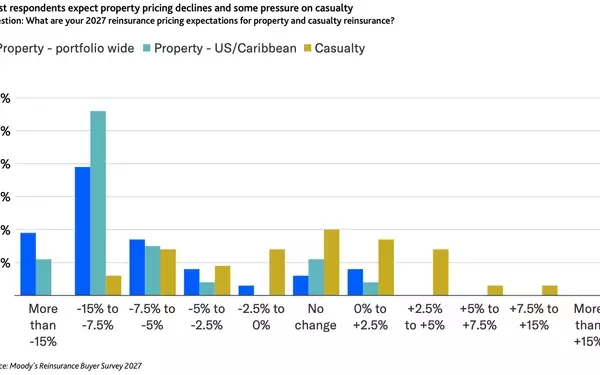
Among the key themes emerging from recent industry gatherings, parametric reinsurance stands out for its rapidly gaining traction. This growth is largely attributable to the dual challenges of escalating climate volatility and the rising frequency of secondary peril losses. Parametric solutions offer a streamlined and transparent mechanism for risk transfer, providing rapid payouts based on predefined triggers rather than actual losses, thus offering a crucial tool for managing contemporary climate-related risks. Furthermore, discussions around a softening market highlight the critical need for maintaining underwriting discipline amidst increased capacity and competitive pricing pressures.
Exploring New Horizons: Alternative Capital and Diversified Risk Transfer
The emergence of novel risk categories is also paving the way for alternative capital sources to expand their footprint within the re/insurance market. A growing number of participants are turning to insurance-linked securities (ILS) to manage diverse exposures. This trend signifies a broadening scope for ILS beyond its traditional focus on property and catastrophe risks, venturing into areas such as longer-term liability. Such diversification promises to unlock new market segments for alternative capital, enriching the array of risk transfer options available to both insurers and reinsurer