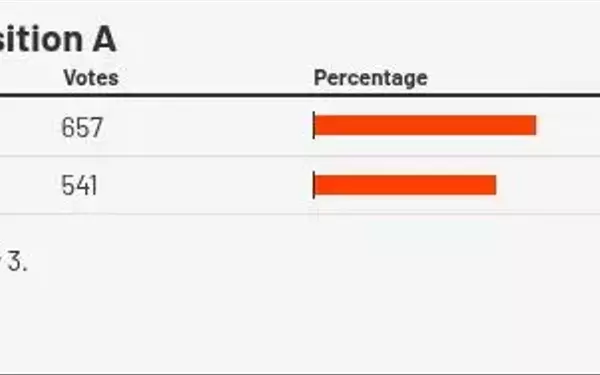
On May 3, 2025, the electorate participated in a significant voting event that determined several key leadership roles alongside crucial bond issues. The focus was primarily on Central Texas, where over $1.8 billion in school bonds were up for decision. These financial measures aim to enhance educational infrastructure and facilities across various districts.
Districts such as Hays CISD, Dripping Springs ISD, Wimberley ISD, Lockhart ISD, Prairie Lea ISD, and Marble Falls ISD presented their bond propositions to the public. As results emerge, they will indicate the direction these communities wish to take regarding education investment and governance changes.
Voter Decisions on School Bonds
Central Texas witnessed an important election concerning substantial investments in educational infrastructure. With more than $1.8 billion at stake, voters from multiple districts had the power to shape future learning environments through decisions on school bonds. These funds could lead to improved facilities and resources essential for modern education.
The districts involved included Hays CISD, Dripping Springs ISD, Wimberley ISD, Lockhart ISD, Prairie Lea ISD, and Marble Falls ISD. Each area presented unique propositions tailored to its specific needs. For instance, some focused on expanding existing schools while others aimed at introducing new technology into classrooms. The outcomes reflect not only financial priorities but also community values towards nurturing future generations.
Leadership Positions Defined by Electorate
Beyond the bond measures, this election cycle saw residents casting ballots for various leadership positions. These roles are pivotal in shaping local policies and overseeing district operations effectively. The elected officials will play a crucial part in executing any approved bond initiatives or other strategic plans.
As results pour in, it becomes evident how each community envisions its growth trajectory under new leadership. This aspect of the election highlights democratic participation's importance in aligning governance with public aspirations. Whether focusing on educational reform or maintaining traditional approaches, newly elected leaders carry the responsibility of fulfilling constituents' expectations. Their actions moving forward will define the next chapter for these regions, ensuring sustainable development aligned with voter preferences.