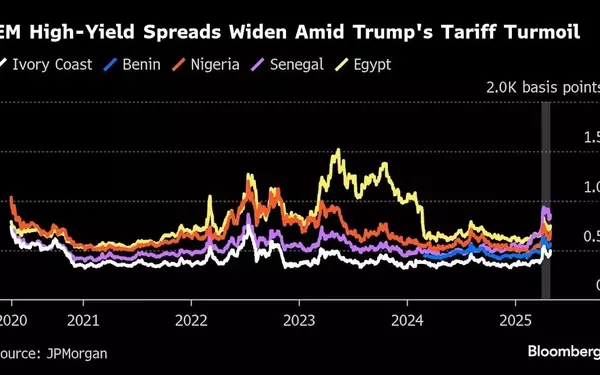
Despite lingering uncertainties, a renewed interest in high-risk emerging market bonds is gaining traction. Financial experts suggest that the prices of these bonds have dropped to levels where the associated risks, including potential defaults, appear manageable. In recent months, the additional yield required by investors for holding high-yield bonds from emerging markets over safer U.S. Treasuries has seen significant fluctuations. However, instruments like credit-default swaps indicate limited signs of distress compared to previous financial crises.
Investor sentiment appears cautiously optimistic as some believe the most severe impacts of global trade tensions may be subsiding. A shift in U.S. tariff policies and reassuring statements from key financial officials have contributed to this perspective. For instance, remarks by U.S. Treasury Secretary Scott Bessent suggest continued engagement with international financial institutions, alleviating fears of an American withdrawal from supporting developing nations. Additionally, the involvement of bilateral and multilateral lenders offers further stability, encouraging investment in select emerging markets such as Egypt, Ivory Coast, and Senegal.
Optimism about emerging markets reflects broader positive trends within the global economy. Investors are increasingly recognizing opportunities in regions previously overlooked due to perceived risks. By diversifying their portfolios and exploring alternative markets beyond traditional powerhouses, they aim to capitalize on resilient fundamentals and ongoing reforms. This approach not only strengthens the financial health of developing nations but also fosters global economic inclusivity. As more funds identify undervalued assets amidst tariff-induced volatility, the potential for sustainable growth and mutual prosperity becomes ever more attainable. Such strategic investments underscore the importance of resilience, adaptability, and forward-thinking in today's interconnected world.