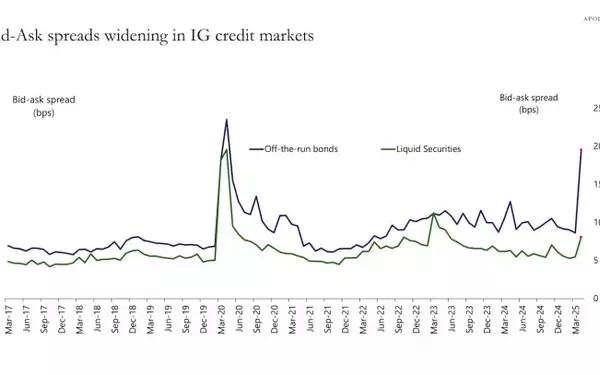
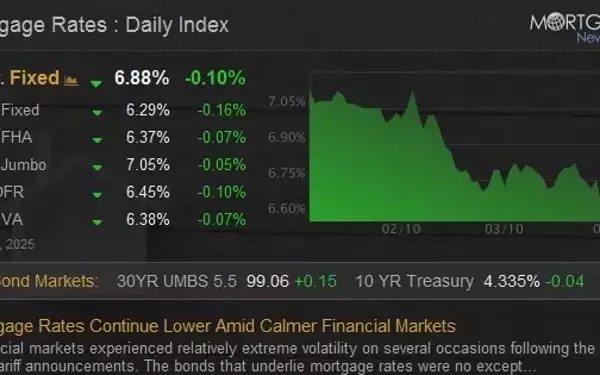
A significant milestone in the financial sector was achieved as a prominent US energy exporter successfully ventured into the junk bond market. This marks the first transaction since President Trump's tariff policies disrupted the high-yield bond market, which previously held a substantial $1.4 trillion value. The deal involved a subsidiary of liquefied natural gas producer Venture Global, raising an impressive $2.5 billion. Observers noted that this event served as a critical test for investor interest in riskier corporate bonds.
The success of Venture Global’s bond issuance indicates a cautious return to normalcy within the financial markets. Following its public debut earlier this year, the company faced considerable challenges with its stock plummeting by approximately 65 percent post-IPO. Despite this, the bond sale attracted robust demand, prompting an increase from the initial offering amount of $1.5 billion. Financial experts, however, remain vigilant about interpreting this as a broad recovery sign for all borrowers. They highlight the absence of leveraged loan issuances and emphasize the relatively high ratings assigned to Venture Global's bonds, utilized primarily for debt refinancing.
As financial waters appear to be stabilizing, analysts suggest that higher-rated firms have paved the way for riskier ventures to re-enter primary markets. This is evident from the revival of investment-grade bond transactions involving major banks such as Morgan Stanley and JPMorgan Chase. Credit rating agencies like S&P Global provided Venture Global's debt with a double-B-plus rating, just shy of investment grade status. This positioning enabled the company to secure a competitive yield on its new long-term bonds. With commercial operations commencing at its Calcasieu Pass project, Venture Global demonstrates resilience amidst economic uncertainties, reflecting the enduring spirit and adaptability inherent in global commerce.