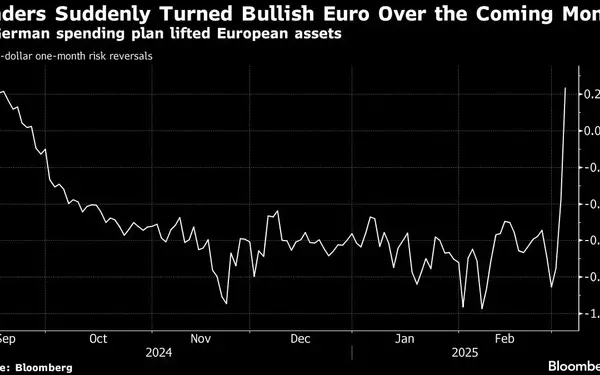
In a dramatic shift, European markets have witnessed significant gains following an agreement by Germany’s potential coalition partners to relax the country's strict fiscal policies. This move, described by economists as a "major bazooka," promises substantial increases in defense and infrastructure spending. Defense stocks across Europe have soared, with key German companies like Thyssenkrupp and Rheinmetall seeing their shares rise between 5% and 12%. The Dax index in Frankfurt has surged nearly 3%, marking its largest daily increase since November 2022. Meanwhile, the euro has strengthened against the dollar, rising by 0.6%, reflecting growing confidence in the region's economic outlook.
Details of the Fiscal Reform and Market Reactions
In the heart of a vibrant autumn season, Germany's leading political parties, the CDU/CSU and SPD, reached a landmark agreement to loosen the nation's stringent fiscal rules. This decision aims to stimulate economic growth through increased spending on defense and infrastructure. The proposed changes include the creation of a €500 billion special fund for infrastructure projects, with €100 billion allocated to the states (Länder). Additionally, any defense spending above 1% of GDP will be exempt from borrowing limits, effectively allowing unlimited defense expenditure.
The impact on financial markets has been immediate and profound. The Dax index experienced a remarkable jump of nearly 3%, while the MDAX mid-cap index rose by 4.2%, setting it on course for its best daily performance in three years. European aerospace and defense firms saw their stock prices climb by 3.3%, with major players such as BAE Systems and Rheinmetall recording impressive gains. The surge in market confidence also bolstered the euro, which gained 0.6% against the US dollar.
Bond yields have also responded sharply to the news. The yield on Germany’s 30-year government bond spiked by 25 basis points, reaching its highest level since October 1998. Economists, including Holger Schmieding from Berenberg, hailed this as a "fiscal sea change" for Germany, signaling a serious commitment to addressing domestic deficiencies and stimulating private investment.
Implications and Reflections
From a journalist's perspective, this development marks a pivotal moment in Germany's fiscal policy. The loosening of the debt brake not only reflects a willingness to address long-standing infrastructure needs but also underscores a strategic shift towards enhanced defense capabilities. While this move is likely to inject much-needed stimulus into the economy, it also raises questions about the long-term sustainability of increased borrowing.
For readers, this news highlights the dynamic interplay between political decisions and market reactions. It serves as a reminder that fiscal reforms can have far-reaching effects on both national economies and global financial markets. As Germany embarks on this new fiscal path, the world will be watching closely to see how these changes translate into tangible improvements in infrastructure and defense readiness. Ultimately, this bold step may set a precedent for other European nations facing similar challenges, potentially reshaping the continent's economic landscape.