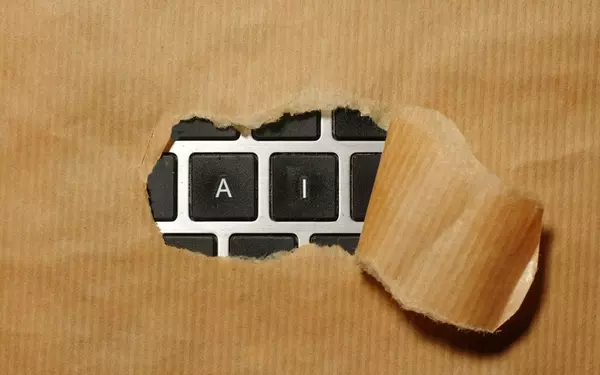
The Evolution of Human-Computer Interaction: A Journey Through Time
·5 min read
Advertisement
From punch cards to AI avatars, the evolution of human-computer interaction has been nothing short of revolutionary. This article delves into the fascinating history and future prospects of how we communicate with machines, transforming them from complex tools into integral parts of our daily lives.
Unveiling the Future: Redefining How We Connect with Machines
The landscape of human-machine communication has undergone a seismic shift over the decades, evolving from rudimentary methods to cutting-edge technologies that promise to blur the lines between the digital and physical worlds.
Origins: The Era of Mechanical Inputs
In the early days of computing, operations were conducted using mechanical means such as punch cards, where each card represented a piece of data or instruction. These perforated sheets were cumbersome, requiring meticulous preparation and error-checking. The transition to devices like ENIAC marked a significant leap forward, allowing operators to set configurations via switches and patch cords. Though more efficient than punch cards, this method still demanded extensive technical expertise, limiting accessibility to a select few.As technology advanced, so did the methods of input. The introduction of the QWERTY keyboard in the 1950s revolutionized data entry by providing a familiar interface adapted from typewriters. This innovation made it easier for users to input commands, albeit still confined to those with programming knowledge. Despite these advancements, the true democratization of computing awaited further breakthroughs.
Visual Revolutions: GUIs and Touchscreen Innovations
The advent of graphical user interfaces (GUIs) transformed computers into accessible tools for the masses. By replacing text-based commands with intuitive visual elements such as icons and menus, GUIs allowed individuals without specialized training to navigate and utilize computers effectively. Accompanying this development was the introduction of the mouse, which enabled precise pointing and clicking, enhancing usability even further.This era also witnessed the rise of touchscreen technology, which eliminated the need for external peripherals altogether. Users could now interact directly with their devices through gestures like tapping and swiping, ushering in a new age of mobile computing. Devices like smartphones became ubiquitous, integrating seamlessly into everyday life and setting the stage for wearable technology. Smartwatches and fitness trackers exemplify this trend, utilizing sensors to monitor health metrics and provide personalized insights.
Voice and Vision: The Rise of AI-Powered Interfaces
Artificial intelligence brought about another paradigm shift in human-computer interaction. Voice recognition systems like Siri and Alexa allowed users to issue verbal commands, breaking free from traditional input methods. These AI-driven assistants have grown increasingly adept at understanding context and executing complex tasks, making interactions more natural and fluid.Moreover, the integration of augmented reality (AR) and virtual reality (VR) expanded the possibilities of immersive experiences. AR overlays digital information onto the real world, while VR immerses users entirely within synthetic environments. Together, they form extended reality (XR), a framework that leverages eye-tracking, gestures, and haptic feedback to create interactive digital landscapes. Such innovations enable users to manipulate virtual objects as if they were tangible, bridging the gap between the physical and digital realms.
Real-World Applications: Bridging Digital and Physical Spaces
Extended reality is not merely a conceptual framework but a practical tool reshaping various industries. For instance, Mawari Network employs XR to bring AI avatars into real-world settings, creating lifelike interactions in diverse contexts. Imagine an AI assistant guiding you through your home or a digital concierge assisting guests at a hotel reception. These applications highlight the potential of XR to enhance user experiences across multiple domains.Beyond specific use cases, XR holds broader implications for society. In tourism, avatars like Emma in Germany offer visitors personalized recommendations, enriching their travel experiences. Similarly, virtual performers such as Naevis redefine entertainment by hosting concerts accessible from anywhere in the world. As these technologies mature, they pave the way for even more ambitious projects, including brain-computer interfaces (BCIs) that allow users to control machines with their thoughts.
Looking Ahead: The Convergence of Technology and Humanity
The trajectory of human-computer interaction points toward a future where boundaries between the digital and physical fade away. Emerging technologies promise to integrate computers into every facet of life, enabling seamless communication and effortless task execution. BCIs represent one frontier of this journey, harnessing neural signals to facilitate thought-based interactions. While still in its infancy, this field holds immense potential for transforming how humans engage with technology.Ultimately, the evolution of human-computer interaction reflects humanity's relentless pursuit of progress. What once seemed fantastical—communicating with machines through speech, gestures, or even thoughts—is now becoming reality. As technological advancements continue to accelerate, the vision of a fully interconnected world grows ever closer, heralding a new chapter in the relationship between humans and machines.