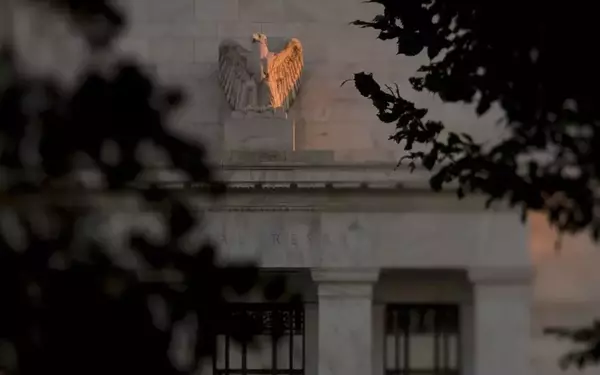
Amid efforts to combat inflation, the Federal Reserve is confronting significant unrealized losses on its balance sheet. The central bank's decision to maintain elevated interest rates has led to a decline in bond values. According to recent disclosures by the New York Federal Reserve Bank, these losses total approximately $1.06 trillion and are attributed to the ongoing monetary tightening strategy. Despite this financial challenge, officials emphasize that these unrealized losses do not affect the institution's operational finances or its contributions to the Treasury.
While the unrealized losses have accumulated over the past few years, there have been some mitigating factors. The central bank has allowed certain bonds to mature without reinvesting in new ones, which has slightly offset the mounting losses. Historically, the Fed experienced substantial unrealized gains in 2020 and 2021, contrasting sharply with the subsequent losses of $1.08 trillion in 2022 and nearly $950 billion in 2023. This shift underscores the dynamic nature of financial markets and the challenges faced by central banks in balancing monetary policy objectives.
As the Federal Reserve continues to navigate complex economic conditions, it remains committed to upholding its mission of price stability and economic growth. The resilience demonstrated by maintaining fiscal integrity despite significant unrealized losses highlights the importance of strategic financial management. Furthermore, this situation serves as a reminder of the critical role central banks play in stabilizing economies during periods of uncertainty, reinforcing the necessity for informed decision-making and adaptive policies.