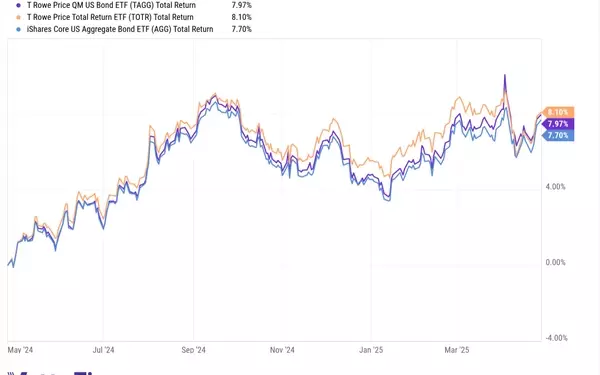
In a recent episode of the "Opening Bid" podcast, Yahoo Finance's executive editor Brian Sai engaged in an insightful conversation with Jeff Sherman, Deputy CIO of DoubleLine Capital. The discussion revolved around the current state of financial markets, investment strategies, and the implications of economic policies on fixed-income assets. With over $90 billion in assets under management, DoubleLine offers a diverse range of investment products catering to institutional and retail clients alike. The focus of the dialogue was on how active management can navigate volatile markets, particularly in light of uncertainties surrounding tariffs, fiscal policy, and potential shifts in Federal Reserve leadership.
DoubleLine Capital has positioned itself as a prominent player in the fixed-income market, managing a wide array of client portfolios. As explained by Sherman, the firm employs a dual approach combining top-down macroeconomic analysis with bottom-up security selection. This methodology allows them to adapt their strategies according to changing market conditions. In early 2025, recognizing elevated valuations across asset classes and anticipating increased uncertainty due to political factors, DoubleLine reduced credit risk exposure in its portfolios. Following Liberation Day, which brought significant market fluctuations, the firm adopted a cautious stance, reassessing risks rather than aggressively reallocating assets.
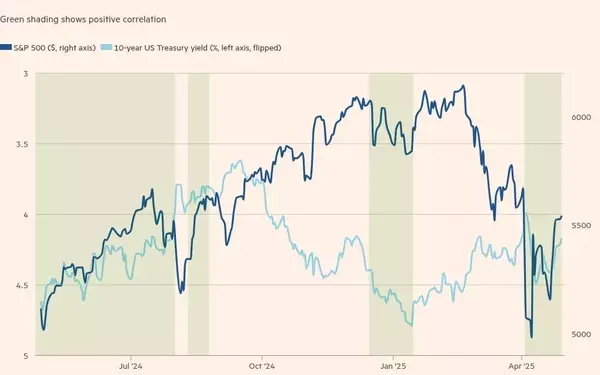
Sherman elaborated on the complexities influencing interest rates, emphasizing the push-and-pull dynamics between fears of economic slowdown and inflationary pressures stemming from tariffs. He highlighted that while the 10-year Treasury yield above 4% raises concerns, it remains within historical trading ranges. However, further increases toward 5% could exacerbate challenges for both corporate financing and consumer spending patterns. The interplay between these forces creates heightened volatility, making prudent portfolio management crucial.
Another critical aspect discussed was the potential for a bond market crisis during the summer months. Sherman referenced past events such as the UK debt crisis in late 2022 to illustrate what such scenarios might entail. A prolonged revolt by the bond market against unsustainable fiscal policies could lead to sharp rises in yields over consecutive days, signaling investor dissatisfaction with government actions. Additionally, the independence of central banks came under scrutiny, especially amidst criticisms leveled at the Federal Reserve’s autonomy. Sherman expressed reservations about any attempts to undermine this independence, stressing its importance for maintaining economic stability.
As the conversation concluded, Sherman offered practical advice for investors seeking opportunities in today’s environment. By focusing on the shape of the yield curve—a strategy involving owning shorter-term bonds while being short longer-term ones—investors can potentially capitalize on expected steepening trends. Utilizing ETFs provides accessible means for implementing similar trades without requiring extensive expertise in futures markets.
Ultimately, the dialogue underscored the necessity for astute decision-making in turbulent times. Active managers like those at DoubleLine must continuously evaluate evolving circumstances to protect and grow capital effectively. Investors are encouraged to remain vigilant, leveraging professional insights to enhance their understanding and positioning within ever-changing financial landscapes.