When Bond Markets Speak, Presidents Listen
Despite an initial standoff that rattled financial markets worldwide, the executive branch recently retreated from its aggressive trade stance. This unexpected shift underscores not only the delicate interplay between politics and economics but also the formidable influence wielded by those who control the flow of capital.
Potent Forces Behind Policy Reversals
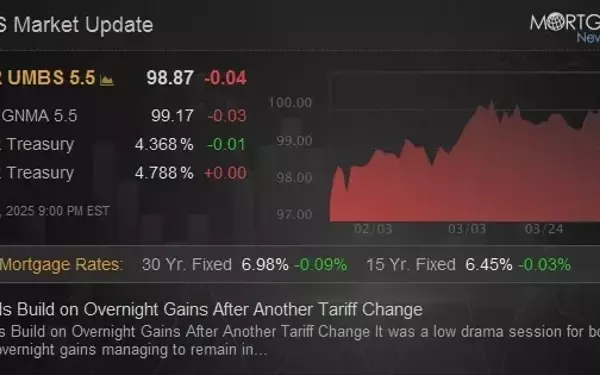
The decision to temporarily suspend certain tariffs came after significant turmoil in both stock and bond markets. While headlines often focus on fluctuations in equities, it was the subtle yet powerful movements in the bond sector that truly caught the administration's attention. As yields on U.S. Treasury bonds surged, signaling increasing unease among investors, policymakers were compelled to reassess their strategies.
Historically, bond traders have held substantial sway over governmental decisions due to their capacity to affect national debt management. In this instance, the rapid ascent in Treasury yields served as a stark reminder of the potential consequences of unchecked executive actions. Financial elites, representing a minuscule fraction of the population, effectively demonstrated their ability to alter policy trajectories through strategic investment maneuvers.
Congressional Abdication Amid Executive Expansion
In the midst of these financial gyrations, Congress exhibited a conspicuous lack of leadership. Instead of exercising its constitutional mandate to regulate commerce, lawmakers chose to delegate critical powers to the executive branch. This abdication manifested most notably in legislative measures that precluded congressional intervention in tariff matters for an extended period.
This development raises profound concerns regarding the separation of powers and the health of democratic institutions. By relinquishing their oversight responsibilities, members of Congress allowed the executive to operate with unprecedented autonomy, thereby exacerbating existing imbalances within the federal government structure. Such actions undermine public trust and diminish the effectiveness of checks and balances essential to a functioning democracy.
Economic Elites as Guardians of Stability
While many expected traditional political mechanisms to curtail excessive executive authority, it was ultimately the financial elite who intervened to preserve stability. Their influence became particularly evident when Treasury yields reached alarming levels, prompting swift administrative responses aimed at calming jittery markets.
Analysts suggest that without such interventions, the situation could have spiraled into a full-blown economic crisis reminiscent of historical depressions. The fact that these pivotal decisions rested in the hands of a select few highlights broader issues concerning inequality and representation within the economic system. Moreover, it underscores the necessity for robust institutional safeguards capable of addressing crises without relying solely on private interests.
Lessons Learned: Power Dynamics in Modern Governance
The episode serves as a cautionary tale about the perils of concentrating too much power in any single entity, whether governmental or financial. It also illuminates the complex relationships between different branches of government and various stakeholders in the economy. Moving forward, there is a pressing need to reevaluate current frameworks governing trade policies and ensure they reflect broader societal values rather than narrow financial interests.
Furthermore, the incident calls attention to the importance of maintaining strong, independent institutions that can act as bulwarks against excesses emanating from any quarter. Only through such reforms can we hope to foster a more equitable and resilient economic environment where all voices are heard and respected.