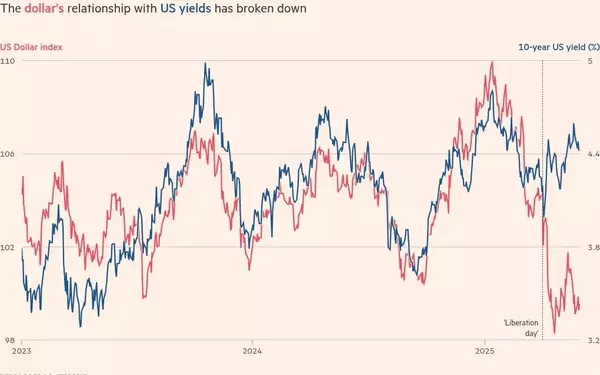
Amidst warnings from financial leaders like JPMorgan Chase CEO Jaime Dimon, the global bond market is under scrutiny as concerns about fiscal health mount. Dimon's remarks at the Reagan National Economic Forum highlighted potential instability due to escalating national debts, particularly in the United States. The analysis delves into rising Treasury yields, fiscal policies, and term premiums across major economies, revealing how these factors intertwine with global economic stability.
Bond Market Dynamics and Fiscal Challenges
In a world grappling with post-pandemic fiscal recovery, the United States stands out as a significant player in the global bond market. During a recent forum, Jaime Dimon, the head of JPMorgan Chase, voiced his apprehensions regarding an impending crisis linked to burgeoning national debt levels. While he refrained from pinpointing an exact timeline for this crisis, Dimon emphasized the urgency of addressing both the trajectory of US debt and the capacity of market makers to adapt.
As economic indicators fluctuate, 10-year US Treasury yields have responded to shifting recession probabilities. Initially dipping during heightened recession fears, these yields have since rebounded, reflecting improved economic prospects. However, some analysts argue that the increase may exceed justified levels, indicating potential market volatility.
Fiscal policy adjustments are inevitable following the pandemic-induced spending surge. Countries worldwide, including the US, witnessed deteriorating debt-to-GDP ratios. With servicing costs now surpassing critical thresholds, discussions around fiscal austerity measures gain traction. For instance, the US Senate's deliberations on tax reforms could mirror these fiscal concerns.
Globally, term premiums—the extra yield investors demand for long-term bonds—have surged, especially in nations like Japan. This trend underscores growing unease among bond investors about funding increasing government debts without adequate compensation. Rising inflation rates further complicate matters, prompting higher yields on long-term bonds.
From a broader perspective, the US benefits uniquely from its status as the issuer of the global reserve currency. Despite this advantage, the nation's fiscal path remains unsustainable, necessitating urgent action to balance expanding economies with controlled spending patterns.
Viewed through the lens of history, where countries have resorted to currency devaluation to manage debts, current rises in term premiums seem logical. Investors worldwide are recalibrating their expectations, demanding greater returns for enduring fiscal risks associated with prolonged deficits.
Perspective on the Bond Market's Future
As we navigate these uncertain financial waters, it becomes evident that the global bond market faces pivotal challenges. Policymakers must strike a delicate balance between fostering economic growth and managing burgeoning debts. Failure to address these issues could lead to severe repercussions, affecting not only individual nations but also the interconnected global economy. Optimism persists, however, with hopes that decision-makers will eventually adopt responsible strategies to ensure long-term stability and prosperity.