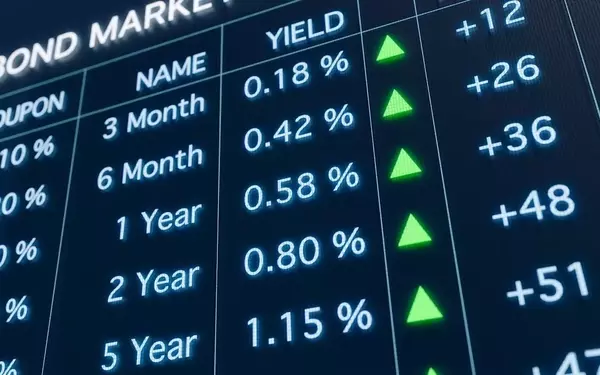
Financial markets witnessed a significant surge in global bonds, including Treasuries, as recent economic data revealed slower consumer spending growth and persistent inflationary pressures in the US. This shift has led to a reevaluation of expectations regarding central bank interest rate decisions. The ten-year yields have retreated from recent highs, influenced by softer-than-expected consumer price data across Europe, which also affected German and UK bonds. Market participants are now increasingly betting on multiple interest rate cuts by major central banks, driven by uncertainties surrounding tariffs and financial stability.
As the quarter draws to a close, market analysts are closely monitoring economic indicators that suggest cautious consumer behavior amid rising financial concerns. Gregory Faranello, a leading expert at AmeriVet Securities, remarked that while inflation remains stubbornly high, the Federal Reserve faces challenges in aligning its monetary policy with broader economic goals. With potential tariffs looming, the Fed’s ability to navigate rate adjustments becomes even more complex. Recent reports indicate that core personal consumption expenditures increased less than anticipated, signaling a more restrained consumer environment.
Beyond the US, European economies are also experiencing shifts in inflation trends. French and Spanish inflation numbers came in below expectations, prompting increased speculation about further easing measures by the European Central Bank. Financial instruments now reflect a heightened probability of multiple rate reductions by year-end, with traders anticipating similar moves from the Bank of England. These developments have contributed to a steepening of yield curves in the US, particularly between five- and 30-year bonds, reaching levels unseen since 2022.
Amid these dynamics, investors are adjusting their risk exposure ahead of upcoming tariff announcements scheduled for early April. Analysts warn that such measures could exacerbate inflationary pressures and undermine global economic growth. Consequently, bond markets are reflecting a blend of caution and optimism, as stakeholders weigh the potential impacts of evolving monetary policies against ongoing economic uncertainties.
The evolving landscape underscores a pivotal moment for both domestic and international financial markets. As central banks deliberate their next steps, the interplay between inflation, consumer sentiment, and geopolitical factors continues to shape investor strategies. Market observers anticipate further volatility in the coming weeks, driven by shifting expectations around monetary policy and the potential ramifications of trade tensions.