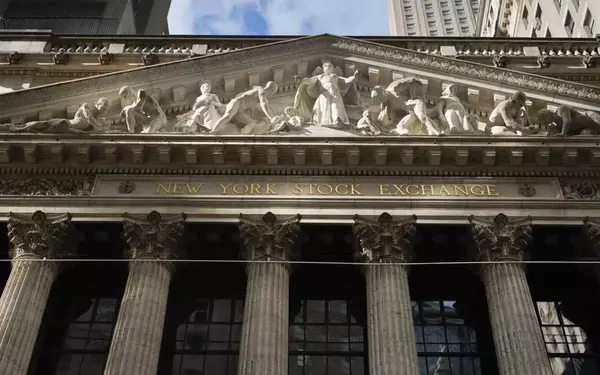
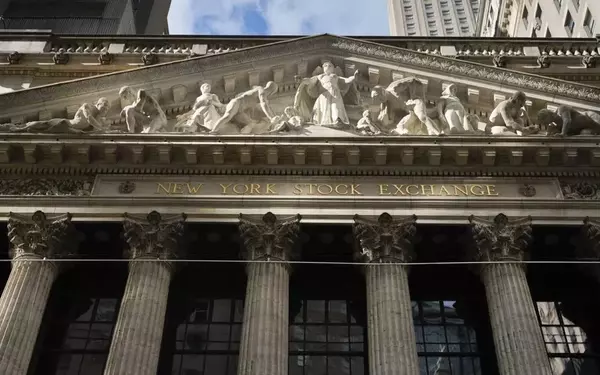
Following the recent credit rating downgrade by Moody's, U.S. financial markets are experiencing significant shifts. The S&P 500 has dipped, while bonds and the dollar have shown more pronounced declines. This downgrade reflects concerns about the growing U.S. national debt and political challenges in managing fiscal policies. Investors globally are now re-evaluating their lending strategies to the U.S., potentially leading to higher interest rates for both government and consumers. Additionally, external factors like trade tensions further complicate market stability.
The economic implications of this situation extend beyond Wall Street. Retail giants such as Walmart face pressures due to tariffs, impacting consumer prices and corporate profits. Meanwhile, international markets also react, with Asian indices showing mixed results amid slowing Chinese retail sales growth. Currency values worldwide adjust accordingly, reflecting broader uncertainties in global finance.
U.S. Financial Landscape Post-Downgrade
Moody’s decision to lower the U.S. federal government’s credit rating signals a pivotal moment in how global investors perceive American fiscal responsibility. With borrowing costs rising, there is increased scrutiny on Washington's capacity to manage its burgeoning debt. The ripple effects could lead to elevated interest rates across various sectors domestically, affecting everything from mortgages to business loans. This shift not only alters investment patterns but also underscores the need for comprehensive fiscal reform.
As Moody’s points out, persistent governmental borrowing coupled with legislative gridlock complicates efforts to stabilize finances. Historically, similar downgrades, like that by Standard & Poor’s in 2011, prompted reassessments among global stakeholders regarding U.S. economic reliability. Presently, higher yields on Treasury bonds indicate reduced confidence in long-term investments tied to the U.S. government. Consequently, businesses and households may encounter tightened financial conditions, which could dampen economic activity. Moreover, upcoming debates over tax cuts and borrowing limits add layers of uncertainty, requiring careful navigation by policymakers to restore investor trust.
International Reactions and Broader Implications
Beyond domestic borders, the impact of Moody’s downgrade resonates internationally, influencing foreign exchange rates and equity performances. Major stock indexes in Europe and Asia reflect subdued sentiments, mirroring concerns about the health of the global economy. Specifically, China's slower-than-expected retail sales growth amplifies these anxieties, suggesting potential vulnerabilities within key trading partners. As a result, currencies like the euro and Australian dollar gain against the weakening U.S. dollar, indicating shifts in perceived risk profiles.
Trade disputes, particularly involving the United States and China, exacerbate existing tensions. Tariffs imposed by President Trump have already sparked discussions about the safety of U.S. assets during crises. Companies such as Walmart warn about price hikes due to tariff burdens, drawing criticism from the administration. These dynamics highlight interconnectedness between geopolitical decisions and financial stability. Looking ahead, quarterly earnings reports from prominent retailers will offer insights into consumer spending trends amidst these turbulent times. Ultimately, the convergence of domestic fiscal challenges and international pressures paints a complex picture for global markets, necessitating adaptive strategies from all participants involved.