Unsettling Markets: A New Era for Treasury Bonds
Amidst growing uncertainty, the stability of US Treasury bonds is being tested like never before. Once regarded as a cornerstone of global finance, these securities are now at the center of a storm driven by rising yields, geopolitical tensions, and shifting investor sentiment. As experts scrutinize the implications, one thing becomes clear: the era of risk-free investing may be coming to an end.
Redefining Safe Havens in Modern Finance
Historically, US Treasury bonds have been considered the ultimate safe haven for investors seeking stability amidst market volatility. However, recent developments have cast doubt on this perception. Rising yields, particularly evident in the 10-year Treasury note, signal increasing unease among investors. In just four days, yields surged from 4.20% to 4.43%, marking their most significant climb since the depths of the 2008 financial crisis. This shift not only affects domestic borrowing costs but also reverberates through global financial systems.
Economists emphasize that Treasury yields serve as a benchmark influencing everything from mortgage rates to corporate valuations. When these yields rise, it triggers a cascade effect throughout the economy. For instance, higher yields translate into increased interest expenses for governments, businesses, and consumers alike. Consequently, the traditional role of Treasurys as a stabilizing force in times of economic stress is being reevaluated. Experts argue that the current environment demands a fresh perspective on what constitutes a truly secure investment.
The Ripple Effects of Policy Decisions
Policy shifts, particularly those related to tariffs and international trade, have introduced new layers of complexity into the financial ecosystem. Traditionally, during periods of equity market stress, investors flock to Treasurys as a refuge. Yet, recent trends reveal a departure from this pattern. Instead of rallying alongside stocks, Treasurys have experienced simultaneous declines, indicating a fundamental change in investor behavior.
This divergence stems from multiple factors, including inflation concerns and geopolitical uncertainties. Germany's military expansion and electoral uncertainties in France further exacerbate global anxiety, contributing to the selloff in bond markets. Wealth advisors caution that yields could continue climbing, potentially reaching levels not seen in decades. Such increases pose substantial risks, especially for long-term bonds, where the impact of yield fluctuations is magnified. For example, the yield on the 30-year bond has jumped nearly half a percentage point within three days—a movement unseen since 1982.
Foreign Ownership and Geopolitical Dynamics
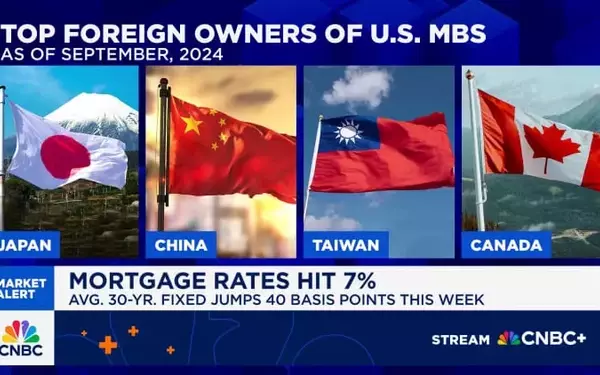
A critical dimension of the ongoing turmoil involves foreign ownership of US Treasury bonds. With over $8.5 trillion held by international investors, any significant sell-off could amplify existing pressures. Japan and China, the largest holders, play pivotal roles in this dynamic. Trade tensions with China, in particular, have intensified scrutiny over Beijing's potential actions regarding its estimated $800 billion in Treasury holdings. While conspiracy theories abound, practical considerations suggest that declining demand for Treasurys reflects broader doubts about their reliability as a safe asset.
Beyond speculative scenarios, the erosion of Treasurys' safe-haven status has practical consequences. These instruments underpin numerous financial transactions, serving as collateral in derivative markets and other complex arrangements. Their diminished appeal could disrupt operations across various sectors. Advisors highlight that clarity on trade policies might eventually restore some stability, though markets thrive on certainty—a commodity increasingly scarce in today's geopolitical climate.
The Dollar's Decline and Broader Implications
Compounding the challenges facing Treasury bonds is the weakening of the US dollar. Experiencing its sharpest drop since 2022, the dollar's decline underscores broader concerns about the resilience of American financial leadership. The ICE US Dollar Index has fallen more than 8% year-to-date, reaching its lowest point since September. This depreciation coincides with heightened fears of a potential recession, intensifying calls for a reevaluation of the dollar's dominance as the world's reserve currency.
Analysts observe that the dollar's steepest losses occurred against traditional safe-haven currencies, such as the Japanese yen and Swiss franc. This trend suggests a broader migration toward perceived security amid global instability. Critics argue that US fiscal policies undermine the credibility and legitimacy of the nation's financial system, jeopardizing the dollar's preeminent position. Some even speculate that de-dollarization—once dismissed as improbable—is becoming a tangible reality. As the world grapples with America's attempts to reshape global trade norms, the foundational elements of international finance face unprecedented scrutiny.