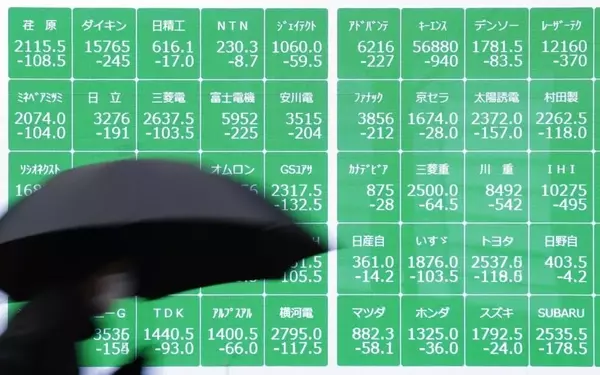
Amidst the turmoil in global stock markets triggered by recent trade policy shifts, clean energy sectors have shown relative resilience. Investors are increasingly turning to 'defensive' stocks with stable earnings, such as renewable-heavy utilities. However, disruptions in international trade pose significant challenges for the global energy transition, particularly affecting US-based clean energy growth. The implications of these changes ripple worldwide, impacting regions like Europe as Asian clean tech companies adjust their export strategies. Meanwhile, developments in green bond issuances offer insights into potential new opportunities within the financial sector.
Green Bonds and Environmental Regulations: A Closer Look
In a world grappling with economic uncertainty, two notable green bond issuances have emerged quietly yet significantly. In Asia, China made headlines with its inaugural sovereign green bond issuance in London, valued at Rmb6bn ($825mn). This move underscores Beijing's commitment to fostering international cooperation on climate action during a time when other global powers may be retreating from leadership roles. The proceeds will fund low-carbon projects domestically, marking just the beginning of what could become an expanding series of similar transactions aimed at driving decarbonization efforts forward.
On the European front, the European Investment Bank (EIB) successfully issued a €3bn green bond this week, attracting investor demand that exceeded expectations thirteenfold. This achievement aligns closely with newly established EU standards designed to clarify acceptable uses for funds raised through green bonds under the European Union’s taxonomy regulation framework. While adoption of these stringent criteria might incur additional costs for issuers, they aim to enhance transparency and credibility within this burgeoning market segment.
Meanwhile, back across the Atlantic Ocean, environmental regulations continue shaping business landscapes. Despite broader deregulatory trends under current U.S. administrations, specific safeguards concerning hazardous substances remain intact. For instance, stricter limits imposed on per- and polyfluoroalkyl substances (PFAS) in drinking water present both challenges and opportunities for major utility providers like American Water Works Company Inc., headquartered in New Jersey. With smaller competitors potentially burdened by compliance expenses, larger firms see strategic acquisition prospects emerging.
From a journalistic perspective, observing how financial instruments such as green bonds evolve amidst geopolitical tensions offers fascinating insight into humanity's collective response toward sustainability goals. These events highlight not only our capacity but also necessity for innovation when addressing complex global issues intertwined with economics, politics, and ecology. As nations navigate shifting alliances and priorities, successful adaptation hinges upon balancing immediate interests against long-term visions—a delicate act requiring foresight, collaboration, and perseverance.