Global Markets in Flux: How Tariff Turbulence is Reshaping Currency and Bond Dynamics
·5 min read
Advertisement
Amid escalating geopolitical tensions, the global financial landscape continues to experience unprecedented shifts. As tariffs become a pivotal tool in international trade negotiations, their ripple effects are profoundly altering currency values and bond market dynamics. Investors and analysts alike are grappling with understanding these changes, seeking clarity amidst the chaos. This article delves into how tariff policies, particularly those introduced by former President Donald Trump, have reshaped economic stability, offering insights into currency fluctuations and bond strategies.
Uncover the Hidden Forces Driving Global Markets Today
The Ripple Effects of Trade Policies on Market Stability
When examining the impact of tariffs on global markets, it becomes evident that the introduction of such measures creates a domino effect across various sectors. For instance, during the tenure of former President Donald Trump, the imposition of tariffs on Chinese goods led to immediate repercussions in both domestic and international economies. These actions not only affected supply chains but also instilled uncertainty among investors, causing significant volatility in stock indices worldwide. To better comprehend this phenomenon, consider the case of manufacturing industries heavily reliant on imported materials. With increased costs due to tariffs, companies faced reduced profit margins, leading them to pass these expenses onto consumers. Consequently, inflationary pressures mounted, influencing monetary policy decisions by central banks globally. Analysts argue that such interventions could lead to long-term adjustments in interest rates, further complicating investment strategies for businesses operating internationally.
Currency Fluctuations Under Geopolitical Pressure
One of the most visible outcomes of tariff implementation has been its influence on foreign exchange rates. Currencies serve as barometers of national economic health, and any disruption caused by external factors can significantly alter their value. In the context of recent tariff disputes, emerging markets experienced substantial depreciation against major currencies like the US dollar. This trend was particularly pronounced in nations whose exports constitute a significant portion of GDP. Furthermore, safe-haven currencies such as the Japanese yen and Swiss franc gained prominence during periods of heightened uncertainty. Investors flocked toward assets perceived as stable, driving up demand and appreciation for these currencies. Meanwhile, developing economies struggled under mounting debt obligations denominated in stronger currencies, exacerbating fiscal challenges. Understanding these dynamics remains crucial for multinational corporations navigating complex global operations.
Bond Markets: A Refuge Amid Economic Storms
During times of turmoil, bond markets often emerge as sanctuaries for risk-averse investors. Historically, government bonds issued by developed countries have been considered low-risk investments, attracting capital even when yields decline. However, the advent of tariff-induced instability has tested this assumption, prompting closer scrutiny of underlying fundamentals. For example, Treasury yields in the United States witnessed unusual fluctuations following announcements related to trade negotiations. At times, fear-driven buying pushed prices higher, resulting in lower yields. Conversely, optimism about potential resolutions occasionally triggered sell-offs, increasing yields temporarily. Such erratic behavior underscores the importance of diversification within fixed-income portfolios. Additionally, corporate bonds issued by firms exposed to tariff-related disruptions warranted careful evaluation, given heightened default risks.
Perspective from Financial Strategists: Navigating Uncharted Waters
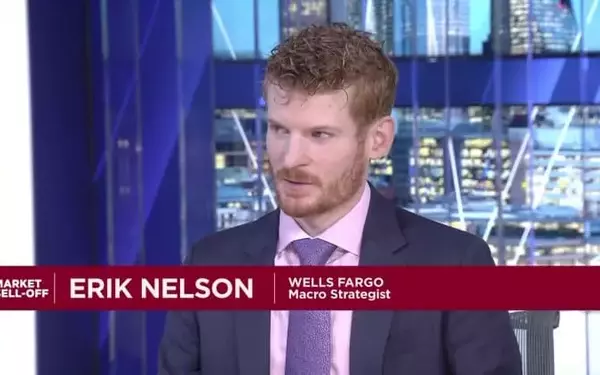
Expert opinions play a vital role in deciphering complex market phenomena. Erik Nelson, a macro strategist at Wells Fargo, provided valuable insights regarding currency and bond movements amid tariff volatility. According to Nelson, assessing macroeconomic indicators alongside geopolitical developments offers a comprehensive framework for decision-making. He emphasized the need for adaptability, suggesting that rigid adherence to traditional models may prove insufficient in today’s rapidly evolving environment. Another critical aspect highlighted by Nelson involves recognizing regional disparities in response to tariffs. While some regions implemented retaliatory measures, others sought alternative trading partners, creating divergent growth trajectories. By analyzing these nuances, investors can identify opportunities hidden beneath surface-level disruptions. Moreover, staying informed about technological advancements and regulatory changes ensures alignment with shifting priorities in the global economy.