Financial markets worldwide experienced significant volatility as a result of escalating trade tensions. The imposition of new tariffs by various countries has led to widespread selling pressure across equity markets. In Europe, the STOXX 600 index saw a notable decline, driven primarily by the auto sector's vulnerability to trade disruptions. U.S. markets also felt the impact, with key indices such as the S&P 500 and Dow Jones Industrial Average recording substantial losses. Asian markets mirrored this trend, while investors sought refuge in safer assets like U.S. Treasury bonds. Additionally, retaliatory measures from China, Canada, and Mexico have heightened concerns about further economic repercussions. The energy and industrial metals sectors also faced downward pressure, reflecting broader fears about global demand.
The recent tariff shock sent ripples through global financial markets, causing a wave of selling that affected multiple asset classes. In Europe, the auto industry bore the brunt of the turmoil, with shares plunging sharply. This sector's sensitivity to trade policies made it particularly vulnerable. Meanwhile, U.S. markets were not spared from the fallout. Pre-market trading for the Dow Jones Industrial Average indicated a drop, while S&P 500 futures also showed signs of weakness. The S&P 500, already down from its February peak, recorded its steepest daily decline since December. These market movements underscored the fragile state of investor confidence amid rising trade tensions.
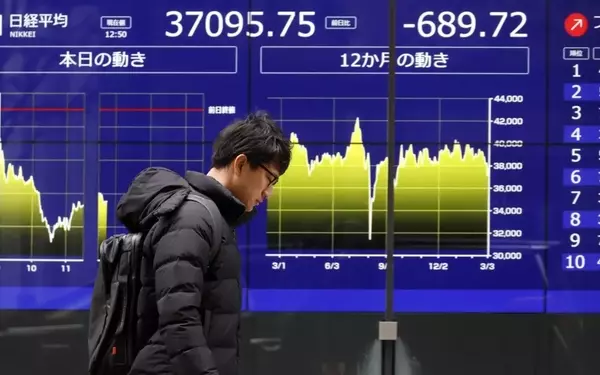
Asian markets followed suit, with indices in Japan and Taiwan experiencing declines. Investors, spooked by the uncertainty, flocked to safer assets. U.S. Treasury yields fell to their lowest levels since October, while German bonds also saw increased demand. The flight to safety was a clear indication of the growing unease among market participants. The rapid response from major economies like China, Canada, and Mexico added another layer of complexity to the situation. Beijing quickly announced tariff hikes on billions of dollars' worth of U.S. goods, including agricultural products. Furthermore, China placed several U.S. firms under export and investment restrictions, signaling a more aggressive stance. Canada and Mexico, which had long enjoyed tariff-free trade with the U.S., also imposed levies on American imports. Canada's immediate 25% tariffs on $20.7 billion worth of goods, along with planned additional measures, highlighted the severity of the retaliation. Mexico is expected to follow a similar path, raising concerns about supply chain disruptions throughout North America.
The energy sector did not escape the market turbulence. Brent crude prices dipped to their lowest level since December, influenced by reports that OPEC+ plans to increase oil production in April. This move could keep downward pressure on prices. Industrial metals, often seen as a barometer of global trade activity, also weakened. Copper and aluminum prices declined, reflecting worries about weakening demand. Gold, traditionally a safe-haven asset, remained stable, providing some reassurance to investors. However, the overall sentiment remained cautious as the global economy faces an uncertain future due to the ongoing trade disputes.
As trade tensions continue to escalate, the global financial landscape remains volatile. The swift reactions from major economies have introduced new uncertainties into the market. Investors are closely monitoring developments, wary of potential further disruptions. The interconnected nature of global trade means that actions taken by one country can have far-reaching consequences. While some sectors, like gold, offer a degree of stability, others, such as energy and industrial metals, face ongoing challenges. As the situation evolves, the focus will remain on how governments and central banks respond to mitigate the economic impact.