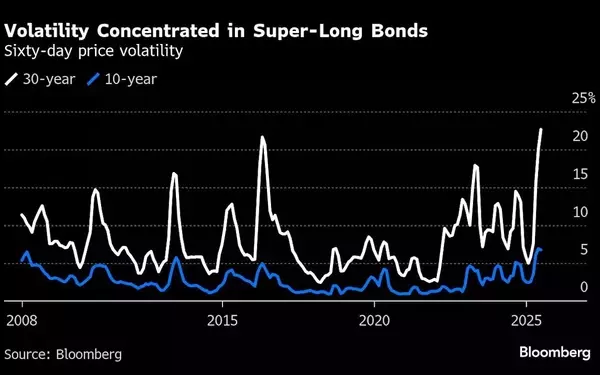
A notable shift in investor preference is reshaping the landscape of global sovereign debt markets. Recent underwhelming auctions of long-term government bonds across Japan, Australia, and South Korea have sparked concerns about the declining appetite for funding governmental expenditures over extended periods. This trend raises questions about whether governments will need to adjust their borrowing strategies amid rising fiscal deficits and higher yields. As attention turns to upcoming US bond sales, analysts warn that this reluctance could signal broader challenges in financing ambitious national plans.
Over the past few weeks, several countries have witnessed lackluster responses to their long-duration bond offerings. In Japan, a recent 30-year bond auction demonstrated one of the weakest levels of investor interest since 2023. Following this event, there was an unexpected rebound in prices, suggesting market expectations had been even more pessimistic. Similarly, Australia experienced its weakest demand for 12-year government securities in approximately six years during an auction earlier this week. Meanwhile, South Korea's post-election sale of 30-year bonds recorded the lowest level of investor enthusiasm seen since 2022.
These developments coincide with mounting apprehension regarding America’s expanding fiscal deficit, prompting investors to seek greater returns for holding long-term US Treasuries. According to Martin Whetton from Westpac Banking Corp., such trends reflect a universal shift away from long-end bonds. Governments worldwide face significant financial needs as they plan major initiatives; however, these efforts may come at increased costs due to climbing yields on longer-dated sovereign debt reaching highs not observed since 2008.
Despite Thursday's relatively calm reaction among investors following Japan's auction results—with gains continuing in Japanese long-term bonds and minimal changes in US Treasuries—some nations are already reconsidering their approaches to raising capital. For instance, Japan reportedly sought feedback last month via a questionnaire distributed to key stakeholders concerning issuance tactics. Additionally, the UK scaled back planned sales of long-term gilts to record lows in April.
JPMorgan Chase & Co. strategists anticipate continued volatility surrounding global demand for long-end bonds. They emphasize that increasing global yields serve as cautionary indicators for governments accustomed to borrowing freely when interest rates hovered near zero. Concerns persist about potential parallels to the UK's tumultuous bond market upheaval in 2022 under former Prime Minister Liz Truss. Luca Paolini of Pictet Asset Management highlights the risk of heightened panic if rising long-term interest rates stem from genuine worries about fiscal sustainability, particularly within the United States.
As global economies navigate shifting dynamics in the bond market, policymakers must carefully evaluate how best to secure necessary funds while addressing investor skepticism. The forthcoming US Treasury auctions promise to provide further insight into whether current trends represent temporary fluctuations or enduring transformations in sovereign debt preferences.