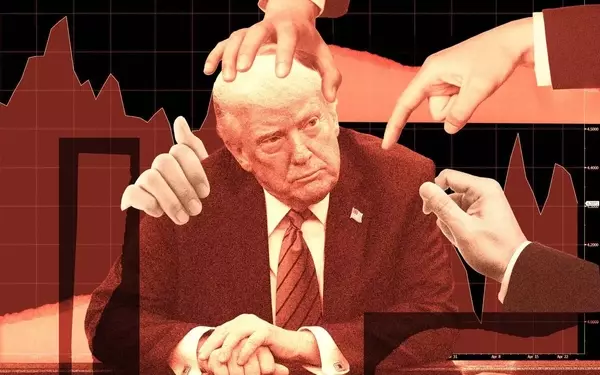
Amidst the complexities of global trade, President Donald Trump has reaffirmed his commitment to high tariffs as a strategic tool. He envisions maintaining import duties at an elevated level of 50% even in the upcoming year. This stance has triggered significant ripples across financial markets, with both stock and bond sectors showing signs of distress. Despite these challenges, Switzerland finds itself among fifteen nations engaged in privileged negotiations with the U.S. to alleviate tariff tensions. Additionally, amidst ongoing conflicts, Trump seeks diplomatic solutions with Russia while navigating domestic approval ratings linked to immigration policies.
The unfolding narrative includes Switzerland's engagement in critical discussions to resolve trade disputes, highlighting the economic interdependence between nations. Simultaneously, Trump's diplomatic outreach towards Russia underscores a shift in foreign policy dynamics, aiming for peace amid escalating hostilities. Furthermore, public opinion reflects mixed sentiments on Trump's immigration strategies, showcasing varying levels of support and critique.
Negotiating Tariff Resolutions
In response to burgeoning tariff tensions, Switzerland actively participates in exclusive negotiations aimed at mitigating these issues. These discussions signify a pivotal step towards stabilizing international trade relations.
The Swiss President Karin Keller-Sutter recently highlighted her satisfaction with the progress made during recent meetings in Washington. Her interactions included constructive dialogues with U.S. Treasury Secretary Scott Bessent. These engagements underscore Switzerland's inclusion within a select group of countries prioritized by the U.S. for swift resolution of tariff matters. Initially facing a potential 31% tariff increase, Switzerland's proactive approach has facilitated a temporary pause in certain measures. The bilateral relationship remains robust, given that the U.S. serves as Switzerland's premier export market, with annual trade valued at $185.9 billion. Both parties emphasize urgency, recognizing that prolonged uncertainty adversely impacts economies globally.
Pursuing Peace Amidst Conflict
Beyond trade disputes, Trump extends diplomatic efforts toward resolving geopolitical conflicts, particularly focusing on Ukraine-Russia tensions.
A tragic drone strike in Ukraine amplifies the urgency for diplomatic intervention. Trump's appeals to Russian President Vladimir Putin reflect an intensified desire for peace, advocating for an immediate cessation of hostilities. His statements indicate proximity to achieving a negotiated settlement, albeit under conditions that might cede Crimea to Russian control—a proposition rejected by Ukrainian President Volodymyr Zelenskyy. Concurrently, Trump garners varied public responses regarding his handling of immigration policies. While receiving relatively higher approval ratings compared to other domains, opinions diverge significantly concerning specific measures like deportations and visa regulations. This landscape reveals intricate layers of public sentiment intertwined with broader national interests.