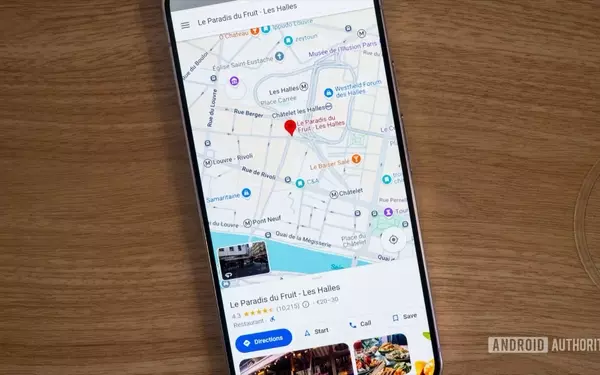
Google Maps' 'popular times' function, a helpful tool for users to avoid crowded places, has reportedly vanished for some individuals. This feature, which provides insights into a location's busiest periods, is an integral part of strategizing travel and optimizing visits, but its absence has sparked confusion and concern among the user base.
Google Maps' 'Popular Times' Feature Vanishes, Sparking User Concern
In mid-August 2026, numerous Google Maps users began reporting the sudden disappearance of the 'popular times' feature from their Android applications. This functionality, which displays a bar graph indicating the busiest hours of a destination and even live crowd data, is a key component for planning visits and circumventing congestion. The reports, initially surfacing on Reddit forums, highlight a significant disruption for those who rely on this data for efficient travel.
Investigations by Android Authority revealed a mixed scenario: some devices, even running the same Google Maps version (26.32.06.958047303), retained the feature, while others did not. This inconsistency suggests the possibility of a software glitch rather than an intentional removal. Notably, users who had lost the feature on their Android app could still access 'popular times' via the web version of Google Maps, further pointing towards a potential bug within the mobile application. Google has been contacted for official clarification on this issue, and the user community awaits an update on whether the feature's absence is temporary or a sign of an impending change.
The disappearance of such a valuable feature underscores the growing reliance on digital tools for daily planning. It highlights how integral applications like Google Maps have become to modern life, impacting everything from casual outings to critical travel decisions. This incident serves as a reminder of the intricate relationship between technology and user experience, and the importance of clear communication from developers regarding changes to widely used functionalities. It also encourages users to consider alternative methods for crowd assessment while awaiting a resolution from Google.