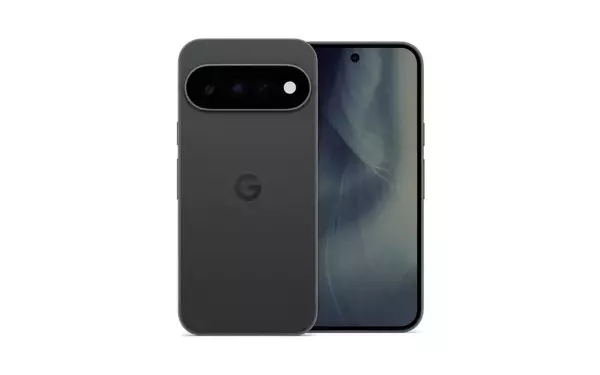
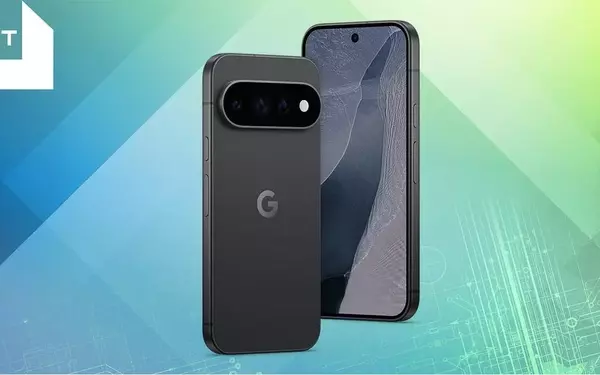
Google's recent decision to remove the temperature sensor from its Pixel 11 Pro lineup, replacing it with the new HiLight LED, signals a strategic pivot in the company's hardware design. This move, which comes three generations after the sensor's debut on the Pixel 8 Pro, highlights Google's evolving priorities, emphasizing advanced notification capabilities and seamless integration with its AI assistant, Gemini, over the niche utility of temperature measurement.
Google Pixel 11 Pro Bids Farewell to Thermometer, Embraces HiLight LED
In a significant announcement made on August 12, 2026, Google officially confirmed the discontinuation of the integrated temperature sensor across its entire Pixel 11 series, including the flagship Pixel 11 Pro models. This feature, initially introduced with much anticipation on the Pixel 8 Pro in 2023, allowed users to measure ambient temperatures and even body temperatures. However, its tenure has now concluded, making way for a new innovation: the HiLight notification LED.
According to Google's statement to Android Authority, the absence of the temperature sensor in the Pixel 11 series is a deliberate step towards refining the Pixel offering to benefit a broader user base. While the previous temperature sensor provided users with the convenience of on-the-go readings, the new HiLight LED aims to offer a different kind of reassurance: ensuring users never miss critical notifications. This LED, seamlessly integrated into the camera bar, will provide visual alerts for incoming notifications and also serve as an interactive indicator when actively engaging with Google's AI assistant, Gemini.
This transition was largely anticipated following earlier leaks and renders of the Pixel 11 Pro series, which showcased a redesigned camera module devoid of the familiar temperature sensor. The emergence of details surrounding the HiLight LED further solidified the speculation that Google was preparing to replace one feature with another. Although the HiLight's current functionalities are somewhat limited, primarily supporting Gemini interactions and phone calls, Google has expressed plans to expand its capabilities to include message integration, suggesting a future where this LED solution becomes a more comprehensive and practical tool for user communication.
A Shifting Focus: From Utility to User Experience
Google's decision to swap the temperature sensor for the HiLight LED on the Pixel 11 Pro series reflects a clear shift in its product development philosophy. While the temperature sensor offered a unique utility, its practical application for the average smartphone user might have been limited. The introduction of the HiLight LED, on the other hand, appears to be a direct response to enhancing the core smartphone experience: staying connected and informed. As smartphones become increasingly integral to daily life, features that simplify notification management and enrich interactions with AI assistants are likely to resonate more strongly with users. This move could also pave the way for more intuitive and less intrusive ways for users to engage with their devices, moving beyond the traditional reliance on screen-based alerts. The success of HiLight will ultimately depend on Google's ability to expand its functionality and seamlessly integrate it into a wider array of applications, making it a truly indispensable feature for the modern smartphone user.