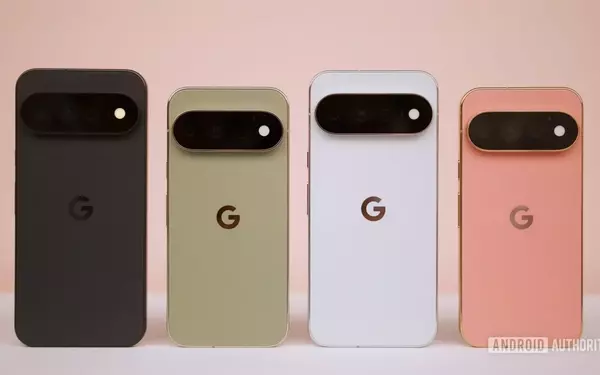
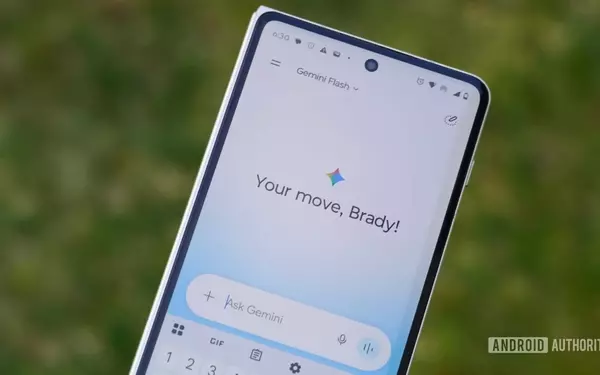
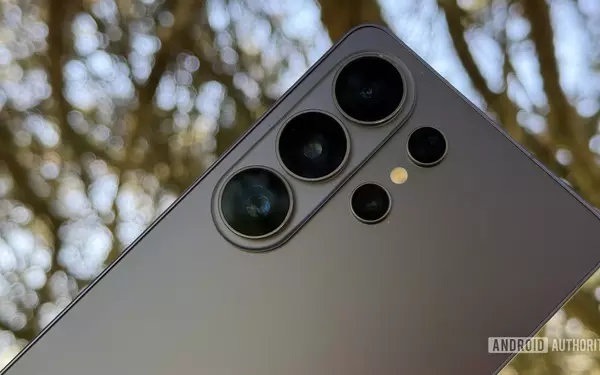
The Google Pixel 11 Pro series is bringing back a touch of smartphone nostalgia with its innovative HiLight feature. This pulsing indicator, located on the camera bump, harkens back to the classic notification LEDs of early Android phones, offering a subtle yet effective way to signal incoming alerts. At its debut, HiLight is designed to respond to incoming calls and interactions with Google's Gemini AI, providing a distinct visual cue without the need for an always-on display. This minimalist approach aims to enhance user experience by delivering essential notifications in a non-intrusive manner, aligning with principles of digital well-being. Although its initial capabilities are narrow, the potential for expanded functionality, including broader app integrations, suggests a promising future for this retro-inspired feature.
In an era dominated by feature-rich, always-on displays, the introduction of HiLight on the Pixel 11 Pro feels like a deliberate nod to a bygone era of smartphone design. While contemporary devices offer extensive on-screen information, HiLight reintroduces the simplicity of a single, color-coded light to convey urgency and type of notification. This shift caters to users who appreciate a less distracting form of alert, allowing them to remain connected without constant screen engagement. The feature's accessibility-focused design, which ensures discernible cues even for colorblind individuals, highlights Google's thoughtful approach to inclusivity. As smartphone technology continues to evolve, HiLight stands out as a refreshing blend of vintage charm and modern innovation, aiming to strike a balance between connectivity and user calm.
HiLight: Bridging Past and Present Notification Experiences
The new HiLight feature on the Google Pixel 11 Pro serves as a modern callback to the beloved notification LEDs of older Android devices, offering users a unique visual alert system. This subtle pulsing indicator, integrated into the camera bump, currently illuminates for incoming phone calls and interactions with Google's Gemini AI. The design intent is to provide a non-intrusive way for users to stay informed without constantly checking their phone screens, fostering a sense of digital well-being. This reintroduces the minimalist charm of past smartphone eras, where different colored lights conveyed specific types of alerts, thereby simplifying the user's immediate response decision.
In its current iteration, HiLight is a discreet beacon, requiring users to consciously observe it to understand the nature of the alert. Unlike the brighter, more overt notifications of some competitors, the Pixel 11 Pro's HiLight is designed to be gentle on the eyes and mind. Google has emphasized that the multi-color aura of HiLight is developed with accessibility in mind, ensuring that even individuals with color blindness can differentiate between various alert states. This thoughtful design complements existing features like "Flip-to-shhh," promoting a balanced interaction with the device. While limited at launch to calls and Gemini, its potential for integration with messages and other core applications could signal a significant return to a more intuitive and less demanding notification paradigm for Android users.
Future Prospects and Potential for Expanded Functionality
Despite its current limited scope, the HiLight feature on the Google Pixel 11 Pro holds substantial promise for future enhancements, potentially transforming it into a versatile notification tool. Google has a mixed history with maintaining and expanding features, but the underlying utility of a subtle, integrated indicator remains strong. The most logical and anticipated expansion of HiLight's capabilities would involve integrations with core communication applications, such as text messages and calendar events. Imagine the convenience of a distinct pulse indicating a new message from a prioritized contact, or a specific pattern signaling an upcoming appointment, all without activating the main screen.
Google has indicated plans to integrate HiLight with its Messages app, likely focusing on notifications from favorited group chats or individual contacts. This would significantly broaden the feature's utility beyond its initial application. Although there's no confirmed roadmap for opening HiLight to third-party developers or a wider range of services, its presence in a mainstream device like the Pixel offers a strong foundation for potential growth. Drawing parallels with innovative, albeit more niche, notification systems like Nothing's Glyph interface, the Pixel's popularity could drive greater developer adoption if Google chooses to expand its accessibility. The hope is that Google will leverage this opportunity to evolve HiLight into a comprehensive and deeply integrated notification system, truly fulfilling the nostalgic promise of its LED predecessors and setting a new standard for mindful smartphone alerts.