In the fiercely contested arena of flagship smartphones, a perennial debate rages: Android or iOS? This comprehensive overview meticulously examines the recent contender, the Google Pixel 11 Pro, alongside Apple's established powerhouse, the iPhone 17 Pro, to illuminate their key distinctions for prospective users.
Flagship Showdown: Pixel 11 Pro Enters the Fray Against iPhone 17 Pro
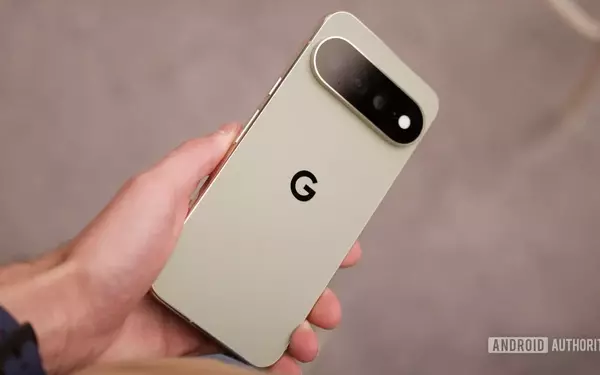
On August 12, 2026, the technology world buzzed with anticipation as Google unveiled the Pixel 11 Pro, set to officially launch on August 20. This new device immediately drew comparisons with Apple's iPhone 17 Pro, a model that has been on the market for nearly a year, since its debut in 2025.
Examining their core specifications reveals both convergence and divergence. Both devices sport an IP68 rating for dust and water resistance, indicating robust durability, and share a 6.3-inch display size. In terms of memory, both the Pixel 11 Pro and iPhone 17 Pro are equipped with a substantial 12GB of RAM, ensuring smooth multitasking. Storage options for both commence at 256GB, extending to 512GB, with the iPhone 17 Pro additionally offering a 1TB variant. Pricing is highly competitive, with the Pixel 11 Pro starting at £1079/$1099, aligning closely with the iPhone 17 Pro's initial RRP of £1099/$1099, though the latter has seen some price adjustments over its market lifespan.
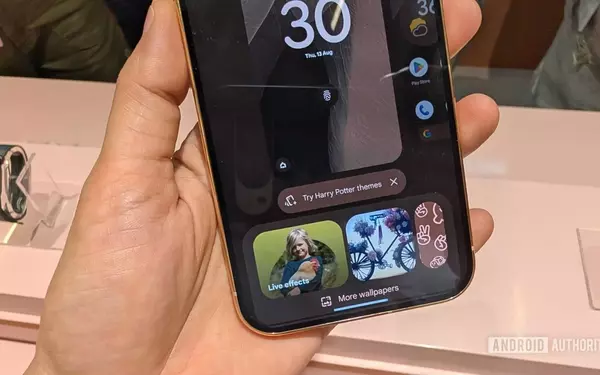
The fundamental divergence lies in their operating systems. The Pixel 11 Pro runs on Android 17, while the iPhone 17 Pro utilizes iOS 26. This choice often hinges on existing device ecosystems. Users deeply integrated into Apple's ecosystem, possessing MacBooks, AirPods, or Apple Watches, will find the iPhone 17 Pro a seamless fit due to its integrated functionalities like AirDrop. Conversely, those utilizing Windows devices or seeking greater customization might lean towards Android. iOS 26, with its 'Liquid Glass' transparent user interface, prioritizes a polished experience, while Android 17 on the Pixel 11 Pro offers extensive personalization options and deeply embedded Google AI tools, eliminating the need for users to seek them out.
A significant highlight for the Pixel 11 Pro is its advanced AI capabilities, powered by Gemini Intelligence. Beyond voice assistance, it boasts sophisticated photo editing features, including a 'Camera Coach' for improved photography and 'Circle to Search'. A novel feature is its voice-to-text functionality, designed to automatically filter out filler words for clearer notes. In contrast, the iPhone 17 Pro incorporates Apple Intelligence, which, while offering features like notification summaries and 'Genmoji', still appears to be an evolving platform. Apple has indicated that future iOS 27 updates will bring enhanced AI capabilities, including an improved Siri and more robust photo editing tools.
Under the hood, both devices house proprietary chips. The Pixel 11 Pro is powered by Google's Tensor G6, touted by Google as its most powerful and efficient chip to date, with a focus on accelerating on-device AI tasks up to 3.5 times faster while consuming less energy. The iPhone 17 Pro features Apple's A19 Pro chip, which has demonstrated impressive gaming performance and efficient thermal management under strenuous use. Both companies prioritize different aspects of chip design: Google emphasizes AI processing, while Apple focuses on overall raw performance and efficiency.
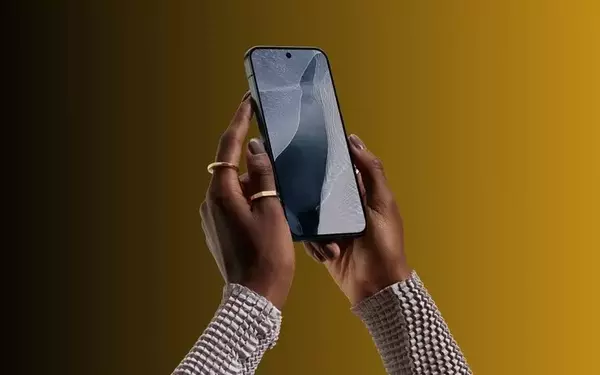
Display technology also shows both parity and subtle differences. Both phones feature 6.3-inch screens. The Pixel 11 Pro sets a new benchmark for Pixel devices with a peak brightness of 3600 nits, surpassing the iPhone 17 Pro's 3000 nits, suggesting a more vibrant and easily viewable display in bright conditions.
Camera systems on both devices are triple-lens configurations. The iPhone 17 Pro features three 48MP lenses (main, ultrawide, and telephoto), which have been praised for their performance across various lighting conditions, offering extensive control over image styles. Its 'Clean Up' tool for object removal, however, is noted as being less effective than Google's 'Magic Eraser'. The Pixel 11 Pro, yet to be independently reviewed, comes with a 50MP main lens and two 48MP lenses for ultrawide and telephoto. Google claims a new sensor for its main camera, promising its 'best camera yet', and a telephoto lens designed to capture 30% more light.
While a definitive judgment awaits a full review of the Pixel 11 Pro, its promising AI features, superior display brightness, and anticipated camera enhancements make it a compelling Android offering. For those deeply embedded in the Apple ecosystem, the iPhone 17 Pro remains an intuitive and highly recommended choice, celebrated for its seamless integration and robust performance.
The ongoing rivalry between Google's Pixel and Apple's iPhone series continues to drive innovation in the smartphone market. This latest comparison between the Pixel 11 Pro and iPhone 17 Pro highlights a fascinating divergence in strategic focus: Google's strong emphasis on integrated AI capabilities and cutting-edge photography, versus Apple's dedication to a seamlessly integrated ecosystem and refined user experience. For consumers, this translates into a rich array of choices, allowing them to select a device that aligns perfectly with their personal technological preferences and existing digital environment. The future of mobile technology seems poised for continued advancements, with AI playing an increasingly central role, pushing the boundaries of what these pocket-sized supercomputers can achieve.