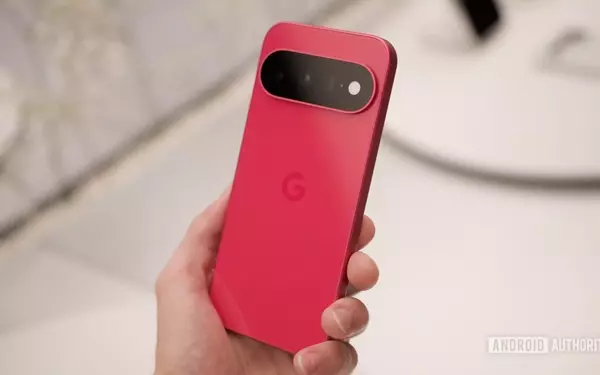
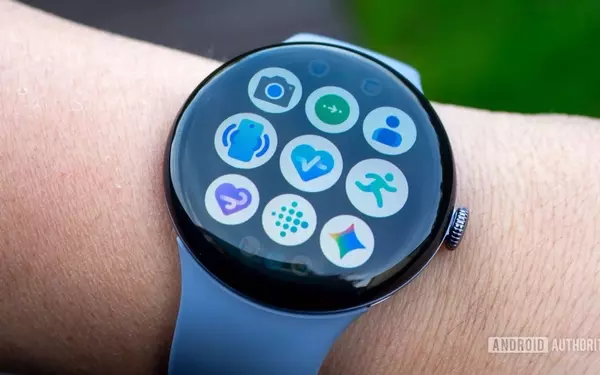
Google's recently launched Pixel 11 series has received a lukewarm reception from the public, according to a recent survey. Over 10,000 readers participated in a poll, with a staggering 73% indicating that the new devices fell short of expectations. This widespread dissatisfaction highlights significant concerns among consumers regarding Google's latest smartphone offerings. The feedback, primarily centered around pricing, RAM configurations, and the perceived value of new features, suggests that many users are questioning the direction of the Pixel line.
The debate surrounding the Pixel 11 series extends beyond mere specifications, delving into the core identity of an "Android enthusiast." While some users prioritize raw performance and cutting-edge specs, others value the overall user experience and ecosystem integration that Google provides. This divergence in user expectations, coupled with growing skepticism about the necessity of annual upgrades and the value proposition of AI features, paints a complex picture for Google. The strong opinions expressed by long-time Pixel owners, some considering switching brands, underscore the critical need for Google to address these concerns to maintain its loyal customer base and attract new users in an increasingly competitive market.
Public's Disappointment with Pixel 11 Series
The latest Android Authority survey has revealed a harsh judgment on the Google Pixel 11 series, with a significant majority of over 10,000 readers deeming it unsatisfactory. This widespread discontent is a critical setback for Google, especially after a highly anticipated launch event. Many readers have voiced concerns over what they perceive as a regression in value, particularly noting the combination of higher prices and a reduction in RAM for the Pro models. This sentiment is further amplified by comparisons to competing flagship devices, which offer similar or superior specifications at comparable price points. The community's feedback underscores a growing demand for tangible innovation and value, rather than incremental updates that do not justify premium pricing.
The strong negative feedback from the survey participants, where 73% expressed dissatisfaction, indicates a significant disconnect between Google's vision for the Pixel 11 series and consumer expectations. This public outcry is not merely about technical specifications but also reflects a deeper concern about the overall trajectory of the Pixel brand. Readers pointed out that despite advancements in camera technology, the new Tensor chip, and Gemini-powered features, these improvements do not sufficiently compensate for the perceived downgrades and increased cost. The survey results serve as a clear message to Google that their latest flagship phones have missed the mark in delivering a compelling and value-driven proposition to their target audience, prompting a reevaluation of their strategy.
Key Concerns and Community Debate on Pixel 11
The Android community's discussion surrounding the Pixel 11 series has been particularly animated, focusing on several critical aspects that have fueled widespread discontent. A recurring point of contention is the pricing strategy, with many users feeling that the cost of the new models, especially the Pro variants, is unjustifiable given the specifications. The reduction of RAM from 16GB to 12GB in the Pro models has been a significant point of criticism, with users questioning this downgrade in a premium device. While some argue that 12GB of RAM is sufficient for most users, a vocal segment believes that a flagship phone should not compromise on such core specifications, especially when competitors offer more. This debate highlights a growing expectation among tech enthusiasts for top-tier performance and future-proofing in their high-end smartphones.
Beyond hardware specifications, the role of AI features and the overall upgrade cycle have also been central to the discussion. While Google heavily promotes its Gemini-powered AI capabilities, a notable portion of the user base expresses skepticism, with some even stating a preference for disabling these features. This sentiment challenges Google's strategy of heavily investing in AI as a primary differentiator for the Pixel series. Furthermore, many long-time Pixel owners have indicated a lack of compelling reasons to upgrade from their older models, citing incremental improvements that do not warrant the substantial investment. This reluctance to upgrade, coupled with some users considering a switch to other brands like Samsung or Oppo, underscores a broader industry challenge where annual smartphone releases often struggle to offer significant enough advancements to justify their price tags and encourage consumer loyalty.