Google is initiating a significant transition, gradually discontinuing its long-standing Google Assistant on cellular devices in favor of the advanced Gemini artificial intelligence. This strategic pivot, which commenced in early September, signifies a new era for Google's virtual assistance, although it has met with diverse user responses. As the rollout progresses, many users are discovering the previous option to revert to Assistant is no longer available within the Gemini application.
The transition away from Google Assistant to Gemini on mobile platforms is now actively underway, nearly two months after the initial announcement detailing the deprecation schedule. Reports from various sources, including specialized technology news outlets and user forums, confirm that the functionality to switch back to Google Assistant has been removed from the Gemini application’s account settings. This change is being observed across a range of Android devices, irrespective of manufacturer or model, following updates to the Google application. The comprehensive nature of this rollout indicates a concerted effort by Google to solidify Gemini as the primary AI interface for its mobile ecosystem.
While anticipated, this development marks a pivotal moment, signaling the conclusion of Google Assistant's dominant role in mobile AI. The shift has elicited a spectrum of emotions among the user base. A notable segment of users expresses dissatisfaction, highlighting Google Assistant's reliability and superior performance in areas such as smart home device management, automated tasks, and routine executions. Furthermore, the absence of certain offline functionalities, which were a hallmark of Assistant, in the current Gemini application, is a point of contention for many. Concerns are also being raised about Gemini’s performance, with some users pointing to instances of 'hallucinations'—the generation of incorrect or nonsensical information—a common issue with generative AI models. Beyond functionality, broader ethical considerations surrounding generative AI, including environmental impact and intellectual property rights, also contribute to the ongoing debate.
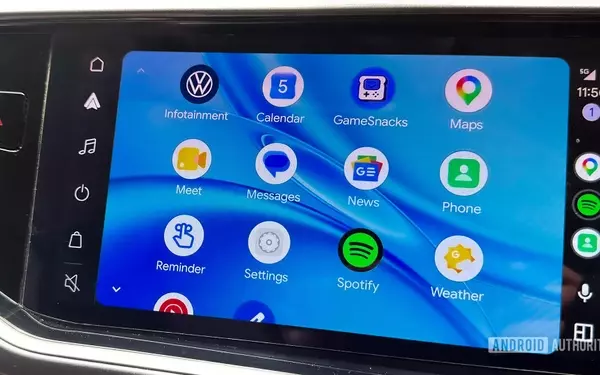
It is important to clarify that this transition primarily targets Google Assistant on mobile devices and associated accessories, such as smartwatches, Android Auto systems, and earbuds. Google has previously assured users that smart speakers and smart displays will continue to support Google Assistant, ensuring continuity for these specific device categories. This distinction suggests a segmented approach to the AI migration, focusing first on the mobile experience while maintaining established functionalities on other smart devices.
Google is systematically replacing its long-standing Assistant with the newer Gemini AI on smartphones, a move that is now firmly in motion as indicated by the disappearance of the 'switch back' option in the Gemini app. This strategic shift, initiated after prior warnings, is reshaping the mobile AI landscape, prompting users to adapt to Gemini's capabilities while also raising discussions about the future of AI in daily tech interactions.