The insurance-linked securities (ILS) market is poised for further development, but its next phase of expansion requires a strategic shift towards international markets and a broader spectrum of perils. This perspective comes from reinsurance experts at Howden Re, who underscore the importance of this diversification to both fortify investment portfolios and narrow the global underinsurance divide. While the ILS sector demonstrates considerable resilience, a period of easing prices demands meticulous risk assessment and robust portfolio management to safeguard profitability.
The reinsurance landscape is currently in a state of flux, characterized by a softening market amidst a complex risk environment. Alternative capital has become an integral component of the overall capital base, contributing significantly to the sector's growth. Despite the challenges posed by geopolitical instability, inflation, rising interest rates, and other economic pressures, the ILS market has seen record-breaking catastrophe bond issuances. This surge in alternative capital underscores its structural importance and its increasing integration into cedents' insurance programs.
Expanding Horizons: International and Peril Diversification for ILS Growth
The insurance-linked securities (ILS) market, while currently robust, is at a pivotal juncture where its future growth and stability depend on strategic diversification. According to prominent figures at Howden Re, venturing into global markets beyond the traditional strongholds and embracing a wider array of less conventional perils are essential steps. This expansion is not merely about increasing market share; it's a dual imperative aimed at bolstering the inherent diversification advantages that ILS offers to investors, while simultaneously playing a crucial role in mitigating the pronounced global protection gaps that leave many regions vulnerable to unforeseen catastrophes.
Nena Atkinson and David Flandro, leading experts from Howden Re, shared these vital insights at a recent industry seminar. Their analysis highlighted that despite the ILS market's attractive non-correlation with broader financial markets—a significant draw for investors—the ongoing moderation in pricing will inevitably exert pressure on profit margins. This shifting economic landscape makes stringent risk selection, innovative portfolio construction, and strategic diversification paramount. A concentrated focus on familiar risks, particularly within the US property-catastrophe sector, currently limits the market's full potential. Therefore, a deliberate push towards international perils and emerging risk categories is not just beneficial but necessary to sustain healthy returns and ensure the market's long-term vitality, transforming current investor appetite into genuinely valuable contributions across the global risk spectrum.
Navigating Market Dynamics: Profitability, Capital, and Risk Management
The broader reinsurance market is currently experiencing a softening trend, set against a backdrop of intricate and evolving risks. In this environment, alternative capital, particularly through the ILS sector, has emerged as a critical pillar of the overall capital structure. Dedicated reinsurance capital reached unprecedented levels in 2025, buoyed by strong reinsurer profitability. However, this positive financial outlook is tempered by significant headwinds, including geopolitical tensions, inflationary pressures, higher interest rates, and emerging risks such as cyber aggregation and secondary perils. These factors create a paradoxical situation where risk premiums remain elevated, yet pricing for insurance and reinsurance is easing in many areas.
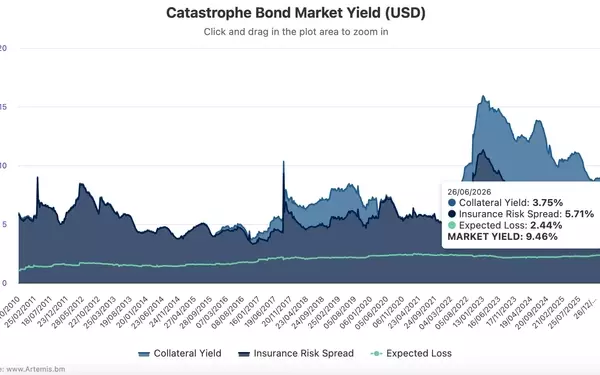
This market dynamic underscores the growing importance of disciplined underwriting versus unchecked growth, as competition intensifies and prices decline. The current moderation in pricing, originating from recent highs, is largely a consequence of the rapid return of capital to the sector following a highly profitable period for reinsurers. The significant hardening of the market in early 2023, characterized by both price increases and reduced exposure, led to exceptionally strong underwriting results in subsequent years. This profitability attracted both traditional and alternative capital, culminating in a record year for gross ILS issuance in 2025. Concurrently, a decline in reference yields for bond portfolios has boosted the mark-to-market value of investments, further supporting reported capital. While these factors have shifted the market from one of excess demand to excess supply, the compression of returns necessitates a renewed focus on rigorous risk selection and robust portfolio construction to ensure continued economic profitability.