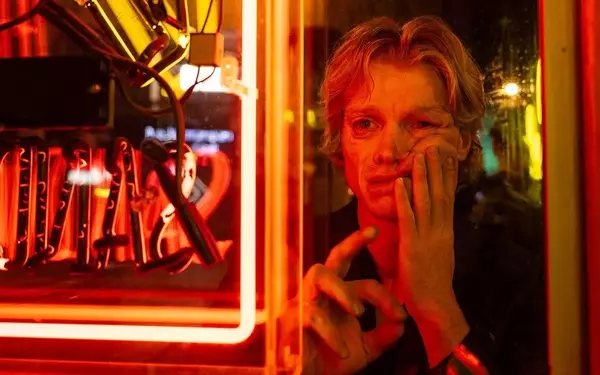
The horror genre has experienced an unprecedented surge in popularity and critical acclaim, marking a pivotal year for its evolution. Independent films have shattered box office records, while high-profile series and video game adaptations of classic franchises are captivating global audiences. This success is largely attributed to a diverse group of artists and industry professionals who are actively shaping the landscape of spooky storytelling, pushing creative boundaries, and redefining what frightens and fascinates us.
This comprehensive report delves into the contributions of these influential individuals, celebrating their groundbreaking work and examining how their unique visions are propelling horror into new and exciting territories. From seasoned veterans to emerging voices, these creators are exploring fresh narratives, leveraging innovative production techniques, and expanding the genre's appeal to a broader demographic, ensuring its continued impact on popular culture.
Pioneering Talents and Their Cinematic Visions
The horror genre's recent resurgence is fueled by a cohort of visionary directors and actors who are crafting compelling and often unconventional narratives. Austin Abrams' roles in 'Weapons' and 'Resident Evil' showcase his versatility, navigating intense survival scenarios, while Naomi Ackie enters the DC Universe with 'Clayface,' promising a fresh take on body horror. The collaborative spirit of the Bacon family in 'Family Movie' offers a meta-narrative on horror filmmaking, blending real-life family dynamics with on-screen terror. Curry Barker's transition from YouTube parodies to the hit film 'Obsession' demonstrates a unique ability to translate everyday anxieties into supernatural thrillers, with his upcoming 'Anything But Ghosts' pushing genre boundaries further. Anna Biller continues to impress with her visually stunning, female-centric films like 'The Face of Horror,' adapting classic tales with gory tributes and exploring women's experiences through a vintage aesthetic. These artists, among others, are not just making films; they are redefining horror for a new generation by blending diverse themes, innovative storytelling, and a keen understanding of modern fears.
Beyond individual achievements, a collective wave of innovation is sweeping through the horror landscape. Mark Edward Fischbach, known as Markiplier, exemplifies the potential of independent filmmaking with his self-financed and self-distributed video game adaptation 'Iron Lung,' grossing over $50 million on a modest budget and hinting at new pathways for content creators. Robert Eggers, with his meticulous historical authenticity and atmospheric terror in films like 'The Witch' and 'Nosferatu,' continues to build a loyal following, cementing his status as a master of dread. Mike Flanagan, celebrated for his empathetic approach to tormented characters in 'Doctor Sleep' and the 'Carrie' series, is adept at delving into the psychological underpinnings of fear, promising deeper character explorations in his future projects. The showrunners Benjamin Cavell and Jack Bender are adapting Stephen King's 'The Institute' for television, demonstrating the genre's expansion into long-form storytelling with high production values. Additionally, Katie Dippold's 'Widow's Bay' masterfully blends horror, comedy, and heart, proving that scares can coexist with humor and emotional depth, earning critical acclaim and Emmy recognition. These diverse contributions collectively underscore a vibrant and evolving horror ecosystem, where creativity and innovation are paramount.
Industry Innovators and Influential Platforms
The sustained success and expansion of the horror genre are significantly bolstered by key industry figures and platforms that nurture talent and facilitate groundbreaking projects. Publicists like Ted Geoghegan, with decades of experience spanning over 200 PR campaigns, not only shape narratives but also contribute as filmmakers, with critically acclaimed works like 'We Are Still Here' and 'Mohawk.' His dual role highlights the deep engagement many professionals have with the genre's creative and promotional aspects. Emily Gotto and Nick Lazo, at Shudder, are pivotal in acquiring and developing high-profile horror content, cultivating emerging talent and expanding the streaming service's reach with titles like 'Good Boy' and 'Skinamarink.' Their strategic vision ensures a steady flow of diverse and compelling horror stories to dedicated audiences. Jordan Lonner, an agent and co-head of UTA's Motion Picture Literary Department, is instrumental in identifying and supporting up-and-coming genre filmmakers, ensuring that fresh voices like Curry Barker and Na Hong-jin find their platforms. His client roster represents the future of horror, promising continued innovation and impact.
Moreover, the influence of established producers and creative partnerships is undeniable. Adam Hendricks and Greg Gilreath of Divide/Conquer have a proven track record of producing horror hits such as 'M3GAN' and 'The Black Phone 2,' consistently delivering successful projects and collaborating with major studios and innovative directors. Their partnership with Blumhouse Atomic Monster and other platforms underscores a robust network driving the genre forward. Jonathan Martin's FilmQuest, initially a space for indie genre talent, has grown into a respected festival, fostering networking and showcasing unique cinematic voices, signaling a decentralized approach to identifying and promoting new talent. Luke Maxwell and Will Rowbotham, partners at 3 Arts, have successfully transitioned YouTube creators like Kane Parsons into mainstream filmmaking, proving the viability of online talent in Hollywood, as seen with the box office success of 'Backrooms.' Finally, industry giants like James Wan, CEO of Blumhouse Atomic Monster, continue to shape horror with iconic franchises such as 'Saw,' 'Insidious,' and 'The Conjuring,' consistently delivering commercially successful and creatively impactful films. These multifaceted contributions, from publicists and agents to producers and festival founders, illustrate a dynamic ecosystem that is not only sustaining but actively evolving the horror genre.