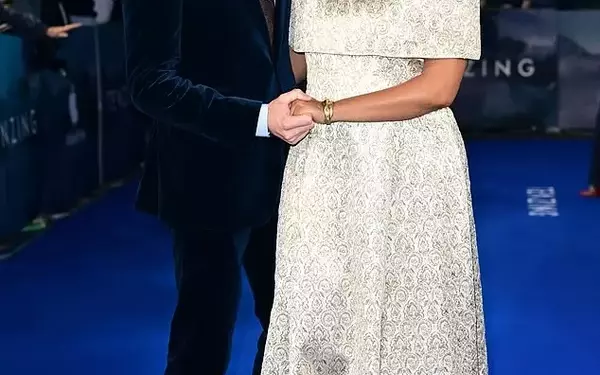
Jacob Elordi, a prominent Australian actor, has frequently demonstrated his unease with the spotlight, a sentiment that has become increasingly public. Recently, while in Paris with Kendall Jenner for Fashion Week, Elordi openly expressed his frustration with relentless paparazzi, requesting space and privacy from the flashing cameras. This incident marks another chapter in the actor's ongoing struggle with celebrity culture, highlighting a pattern of visible discontent.
Elordi's challenges with public attention are not isolated events. Earlier, during a trip to Japan with Jenner, he had a noticeable exchange with a fan who touched him without permission, firmly asking to not be touched. Furthermore, a memorable interaction at Paris' Gare du Nord station saw him tell a persistent photographer, "You make it really hard for me to live," underscoring the personal toll of constant surveillance. These instances, alongside an alleged physical altercation outside a Sydney pub, paint a picture of an individual grappling with the loss of personal boundaries that accompanies widespread fame.
His journey from an unknown actor to a global sensation following "The Kissing Booth" in 2018 drastically altered his life, leading him to feel like a public commodity rather than a person. Elordi has openly discussed how this sudden surge in recognition made him consider leaving acting and consult seasoned public figures like Ben Affleck for advice on managing media attention. Despite his escalating career with projects like "Priscilla" and "Saltburn," his contempt for intrusive photographers remains, as he explicitly stated, "F**k those guys," revealing the depth of his exasperation with the relentless nature of celebrity culture and its impact on his personal and romantic life.
The experiences of Jacob Elordi shed light on the profound challenges faced by individuals thrust into the glare of global fame. His candid expressions of discomfort and frustration serve as a powerful reminder that behind the glitz and glamour, there is a human being striving for normalcy and respect for personal space. It encourages a broader dialogue about the ethics of paparazzi culture and the mental well-being of public figures, advocating for greater empathy and understanding towards those living under constant public scrutiny.