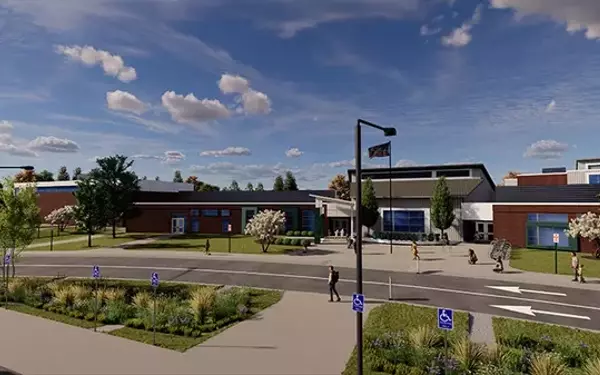
In the coming special election, voters across Metro Detroit will play a pivotal role in shaping their local communities through various proposals. The election focuses on several school bond initiatives aimed at enhancing educational infrastructure and facilities, as well as municipal governance changes. Key districts such as Mount Clemens, Lamphere, Redford-Union, Southgate, Ferndale, and Clawson present distinct propositions for public consideration. These measures address pressing needs like safety upgrades, technological advancements, and structural improvements within schools. Additionally, Clawson introduces amendments concerning city council composition and term durations. As residents prepare to cast their ballots by May 6, 2025, these decisions could significantly impact future generations' learning environments and civic structures.
Voters Across Metro Detroit Face Crucial Choices on School Bonds and Local Governance
In the vibrant autumnal season of decision-making, Metro Detroit finds itself at an important juncture where its educational and administrative landscapes are poised for transformation. At the heart of Mount Clemens lies a proposal seeking nearly $92 million over two decades to mend high school ceilings and revamp middle and high school infrastructures. Despite facing criticism over costs and taxation levels, the district cleverly incorporates a tax reduction strategy to sway voter support. Meanwhile, Lamphere Public Schools ambitiously targets an $85 million initiative centered around boosting safety protocols, addressing facility necessities, and broadening student learning horizons.
The Redford-Union School District envisions substantial enhancements through its proposed $45 million bond, aiming to fortify district-wide infrastructure while integrating advanced instructional technologies and refining HVAC systems. Further south, Southgate Community Schools engages its community with three diverse proposals encompassing zero-tax-rate increases, operational millage renewals, and strategic hedges focused on improving security, technology, and overall maintenance. Not far away, Ferndale seeks approval for an impressive $115 million bond designed to modernize its middle and high schools alongside renewing essential operating millages.
In contrast, Clawson diverges from traditional school bonds by presenting charter amendments that redefine city council dynamics. These include maintaining the current four-member council structure plus the mayor versus expanding it, along with altering term lengths to align better with electoral schedules. Each locale’s unique approach reflects tailored responses to specific challenges faced within their boundaries.
From a journalist's perspective, this wave of proposals underscores the critical importance of community involvement in shaping public institutions. It highlights not only the tangible benefits but also the potential long-term fiscal implications associated with each decision point. Residents must weigh immediate needs against future obligations carefully. Ultimately, these elections exemplify democracy in action—where informed voting empowers citizens to influence both education quality and local governance effectively. Through thoughtful deliberation, voters can ensure sustainable progress aligned with societal values and aspirations.