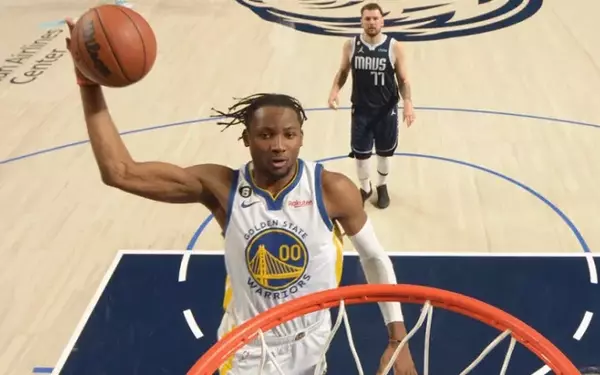
A significant setback has hit the New York Knicks as their crucial player, Josh Hart, faces an extended period on the sidelines. Medical evaluations have pinpointed a Grade 2 lateral ligament sprain in his left ankle, with a recovery timeline projected for four to six weeks. This unfortunate development will undoubtedly prompt considerable adjustments to the team's strategies and player rotations, especially impacting their defensive performance. Despite this current injury, Hart's career has been marked by impressive durability, offering a hopeful outlook for his rehabilitation and eventual return to the court.
Detailed Report on Josh Hart's Ankle Injury and Its Implications
In a recent and critical medical update, the New York Knicks announced that guard Josh Hart has sustained a Grade 2 lateral ligament sprain in his left ankle. This diagnosis, confirmed by an MRI conducted on Tuesday, revealed a partial tear affecting between 50% and 70% of the anterior talofibular ligament fibers. Team orthopedic specialists noted moderate swelling and restricted range of motion during the initial physical examination, highlighting the severity of the sprain. Advanced imaging technology facilitated a precise assessment, allowing medical personnel to rule out more severe associated injuries, such as syndesmotic involvement or osteochondral lesions. This detailed understanding of the injury type is crucial for guiding the subsequent rehabilitation process.
Hart's recovery journey is anticipated to span approximately four to six weeks, adhering to established protocols for Grade 2 lateral ligament sprains. His rehabilitation program will unfold in meticulously structured phases, beginning with the critical control of inflammation, progressing to the gradual restoration of mobility, and culminating in a comprehensive strength rebuilding regimen through targeted exercises. The medical team emphasizes a cautious, long-term approach to his return, closely monitoring key milestones such as the absence of pain during movement, successful completion of single-leg balance tests, and full restoration of lateral movement capabilities. His inherent mental resilience is also considered a vital asset, as psychological readiness is known to significantly influence rehabilitation outcomes. Fans eager for updates can often find timely information and exclusive interviews through various sports broadcasting platforms.
The absence of such a pivotal player will inevitably reshape coach Tom Thibodeau's tactical approach and minute distribution for the Knicks. Immediate adjustments are expected, particularly impacting three crucial positions within the lineup. Donte DiVincenzo is projected to see his playing time increase from approximately 25 to 35 minutes per game, while Quentin Grimes is poised to assume Hart's critical defensive assignments against opposing wing players. This shift is not without its challenges; without Hart's consistent contribution of 8.3 rebounds per game, the team anticipates a notable 15% decrease in defensive rebounding efficiency. Furthermore, the Knicks' trademark switching defense, previously fortified by Hart's exceptional versatility, will now require significant modifications to its coverage schemes. This contractual tightening of Thibodeau's typically tight eight-man rotation could potentially exacerbate player fatigue as the season progresses, especially during the demanding playoff series.
Despite this recent setback, a review of Josh Hart's injury history from 2017 to 2023 underscores his remarkable durability throughout his professional career. He has missed a mere 31 games over six NBA seasons, a testament to his consistent availability. His past injuries have predominantly been minor ailments, including occasional ankle sprains, instances of knee soreness, and strategic rest days for load management. Hart's collegiate resilience seamlessly transitioned into his professional play, as he has consistently avoided major ligament tears, fractures, or chronic conditions that typically lead to prolonged player absences. His physically demanding playing style, while intense, has remarkably not resulted in significant cumulative wear-and-tear injuries, suggesting a robust constitution that bodes well for his current recovery.
From a reflective standpoint, this incident with Josh Hart serves as a powerful reminder of the relentless physical demands placed upon professional athletes, particularly in high-impact sports like basketball. While the immediate focus rightly falls on Hart's recovery and the Knicks' strategic adaptations, it also highlights the critical importance of advanced sports medicine and rehabilitation science in mitigating the long-term impact of such injuries. The meticulous approach taken by the Knicks' medical team, prioritizing complete recovery over a hasty return, underscores a broader understanding in professional sports that a player's long-term health and career longevity are paramount. This situation is a testament to the fact that even the most durable athletes are not immune to the rigors of competition, and it reinforces the ongoing need for innovative preventative measures and comprehensive recovery protocols to safeguard their well-being and maximize their performance over time.