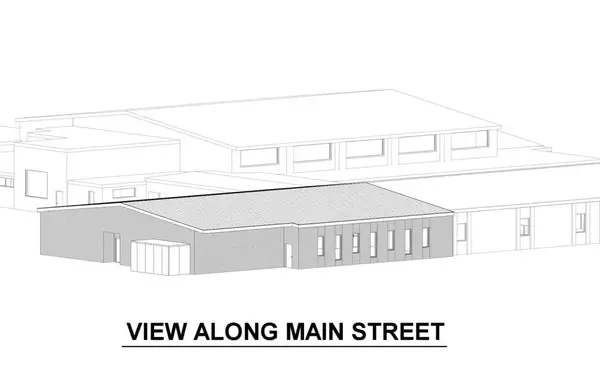
In the heart of Texas, Lubbock ISD is set to make a significant decision regarding its future infrastructure and educational programs. With only about a month left for voters to decide on a bond proposal, this initiative aims to address over $400 million worth of identified needs within the district's facilities. Initially recommended at $178.3 million by the Future Focus Committee, which comprises community members, parents, educators, and district leaders, the board expanded it to $290 million to accommodate additional requirements. The proposal focuses on four primary areas: efficiency through new school construction, capital renewal and infrastructure improvements, academic programming enhancements, and security upgrades.
Details of the Bond Proposal
In the vibrant city of Lubbock, Superintendent Kathy Rollo has outlined an ambitious plan designed to transform the educational landscape. This plan, scheduled for a vote in May, includes consolidating six schools into three, driven by aging infrastructure and declining student numbers. By creating larger schools with more efficient cost-per-student ratios, the district anticipates substantial savings. For instance, after the 2018 bond allowed the consolidation of several elementary schools, first-year savings amounted to $1.8 million in operating expenses. Furthermore, the proposal allocates significant funds towards renewing existing structures, enhancing academic offerings like popular welding programs, and bolstering security measures with state-of-the-art technology. Importantly, while state law mandates noting a potential property tax increase on the ballot, the actual tax rate remains unchanged unless voter-approved adjustments occur.
From a journalist's perspective, this bond proposal exemplifies a forward-thinking approach to addressing both current and future challenges in education. It underscores the importance of investing in infrastructure not merely as a financial decision but as a commitment to fostering safer, more effective learning environments. As election day approaches on May 3, with early voting from April 22 through 29, community engagement through upcoming meetings will be crucial. These discussions offer an opportunity for stakeholders to voice concerns and gain clarity, ensuring informed decisions that could shape generations of students' futures. Ultimately, passing this bond signifies prioritizing long-term benefits over short-term sacrifices, paving the way for enhanced educational opportunities and safety standards.